Real Estate Tech 2026: Innovations in Property Listings & Sales
Advertisements
By 2026, real estate technology will dramatically reshape property listings and sales, driven by innovations like advanced virtual tours, AI-powered predictive analytics, and secure blockchain transactions, creating a more efficient and transparent market.
The landscape of property buying and selling is on the cusp of an unprecedented transformation. As we look towards 2026, real estate technology in 2026 is poised to introduce innovations that will redefine how properties are listed, viewed, and transacted. These advancements promise not only to streamline processes but also to create more immersive, transparent, and equitable experiences for all parties involved. From virtual tours that blur the lines between digital and physical to intelligent systems predicting market shifts, the future of real estate is arriving faster than many anticipate.
The Rise of Immersive Virtual Property Experiences
The way potential buyers first encounter a property is undergoing a profound evolution. Gone are the days when static photographs and rudimentary video tours sufficed. By 2026, immersive virtual property experiences will become the standard, offering unparalleled detail and interaction that significantly enhance the initial viewing process. This leap in technology is driven by advancements in virtual reality (VR), augmented reality (AR), and sophisticated 3D modeling, providing a truly comprehensive sense of a space before ever stepping foot inside.
These advanced virtual tours go beyond simple panoramic views. They incorporate interactive elements, allowing users to customize finishes, rearrange furniture, and even experience different times of day within the virtual environment. This level of engagement not only captivates potential buyers but also helps them visualize themselves in the space, fostering a deeper emotional connection to the property.
Virtual Reality Showings: Beyond the Screen
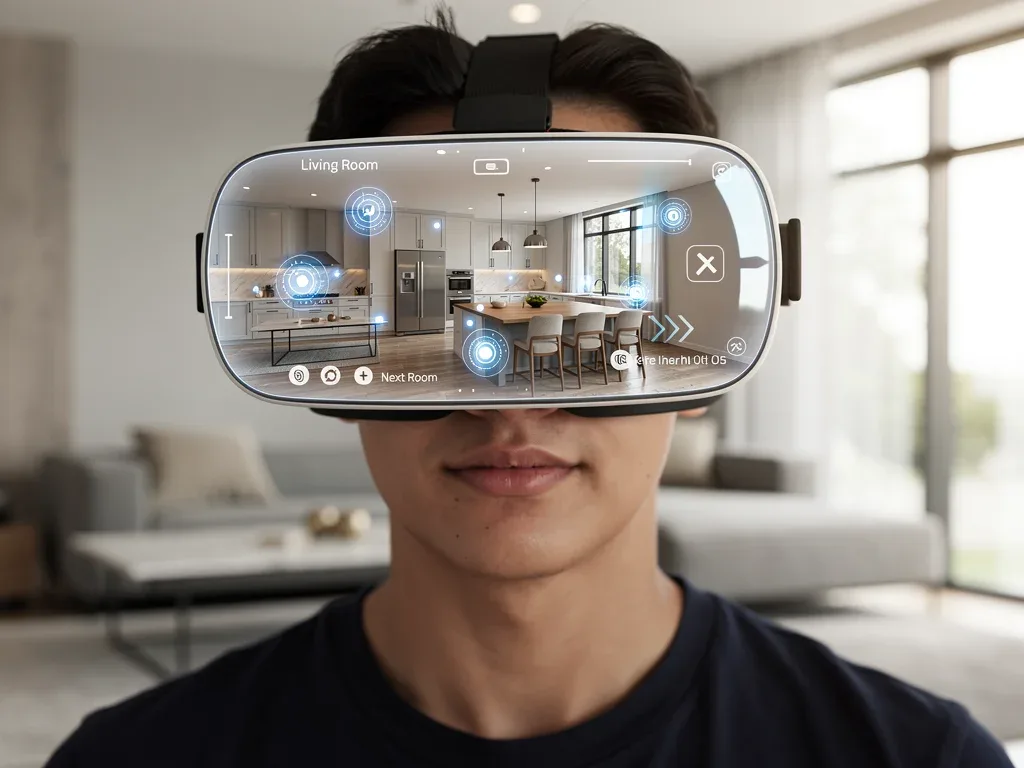
Virtual reality technology is no longer a niche gimmick; it’s becoming an indispensable tool for real estate professionals. Imagine donning a VR headset and being transported directly into a property, walking through rooms, examining architectural details, and even stepping out onto a virtual balcony to view the neighborhood. This level of immersion provides a spatial understanding that traditional media simply cannot replicate.
- High-Fidelity Graphics: VR tours now boast photorealistic graphics, making virtual spaces indistinguishable from their real-world counterparts.
- Interactive Customization: Buyers can experiment with different paint colors, flooring options, and kitchen layouts in real-time.
- Global Accessibility: Potential buyers from anywhere in the world can tour properties without the need for physical travel, broadening the market reach.
The implications for sellers are equally significant. Properties can be showcased to a global audience, reducing the need for numerous in-person showings and accelerating the sales cycle. For buyers, it means a more informed decision-making process, saving time and resources by narrowing down options effectively.
Augmented Reality for On-Site Visualization
While VR transports you to a new space, augmented reality brings digital enhancements to your current environment. AR applications allow prospective buyers to overlay virtual furniture or design elements onto an empty room using their smartphone or tablet camera. This provides an immediate, real-world visualization of how a space could look with their personal touches.
For agents, AR tools can be used during open houses to highlight property features, display floor plans, or even show planned renovations. This dynamic interaction makes property tours more engaging and informative, offering a competitive edge in a crowded market. The blend of virtual and augmented realities ensures that every aspect of a property can be explored with unprecedented depth and convenience.
In conclusion, immersive virtual property experiences are fundamentally changing the initial stages of the real estate journey. They provide a powerful, efficient, and engaging way for buyers to explore properties, ultimately leading to more confident and quicker purchasing decisions, while offering sellers a broader and more effective platform for showcasing their assets.
AI-Powered Predictive Analytics for Market Insight
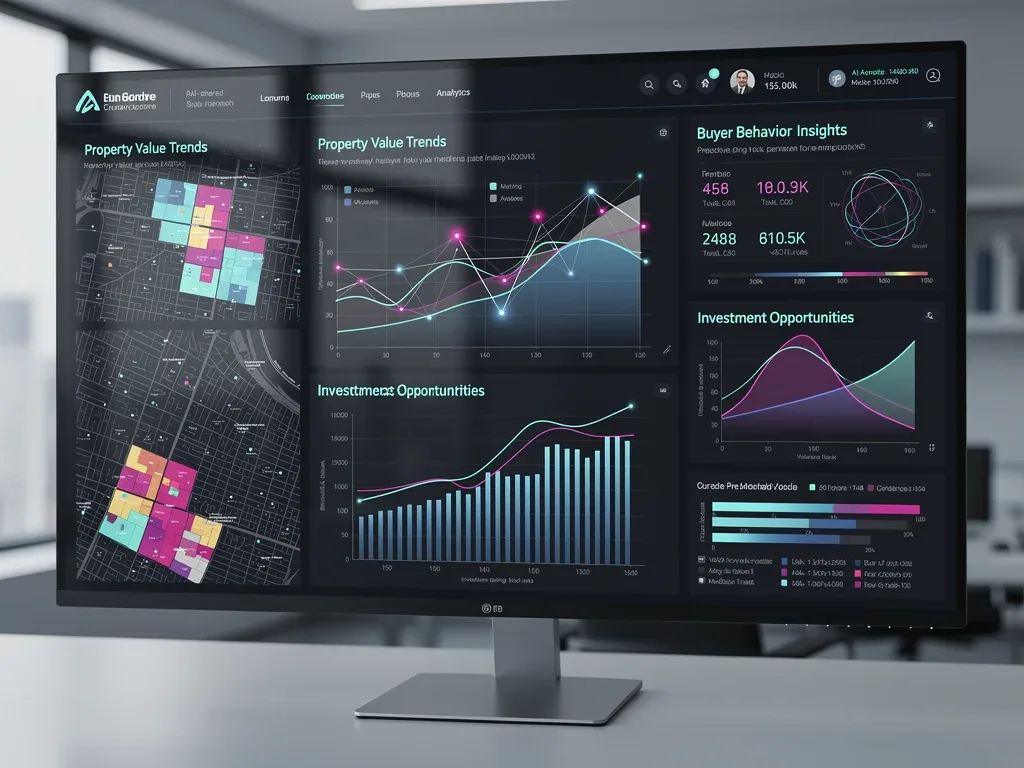
The real estate market, historically driven by intuition and historical data, is rapidly being transformed by artificial intelligence. By 2026, AI-powered predictive analytics will be an indispensable tool, offering unprecedented market insights that empower buyers, sellers, and investors to make more informed and strategic decisions. This technology leverages vast datasets to identify trends, forecast property values, and even predict buyer behavior with remarkable accuracy.
AI’s ability to process and analyze complex information far beyond human capacity allows for a deeper understanding of market dynamics. It moves beyond simply reporting past performance to actively anticipating future shifts, providing a crucial advantage in a competitive and ever-changing environment. This intelligence will permeate every aspect of the real estate transaction, from pricing strategies to investment opportunities.
Forecasting Property Values and Trends
One of the most significant applications of AI in real estate is its capacity for accurate property valuation and trend forecasting. Traditional appraisals often rely on comparable sales from the recent past. AI, however, integrates a multitude of factors, including economic indicators, demographic shifts, local development plans, interest rate fluctuations, and even social media sentiment, to generate highly precise predictions.
- Dynamic Pricing Models: AI constantly updates property valuations based on real-time market changes, ensuring optimal pricing for sellers.
- Investment Opportunity Identification: Algorithms can pinpoint undervalued properties or emerging neighborhoods poised for significant growth.
- Risk Assessment: AI can analyze factors that might negatively impact property values, providing a comprehensive risk profile for investors.
This predictive power allows sellers to list their properties at the most opportune price, maximizing their return. For buyers, it means identifying properties that are likely to appreciate in value or finding deals before they become widely known. Investors can deploy capital more strategically, minimizing risk and optimizing portfolios based on data-driven forecasts.
Personalized Buyer-Seller Matching and Lead Generation
Beyond market forecasting, AI is revolutionizing how buyers and sellers are matched. Instead of generic property searches, AI algorithms can analyze a buyer’s preferences, financial situation, lifestyle, and even their online behavior to present highly personalized property recommendations. This goes beyond simple criteria like bedrooms and bathrooms, delving into nuances like commute times, school districts, and community amenities that truly matter to an individual.
For real estate agents, AI acts as a powerful lead generation and qualification tool. It can identify potential clients who are most likely to convert, allowing agents to focus their efforts on high-probability leads. This efficiency not only saves time but also improves the overall client experience by presenting relevant options from the outset.
The integration of AI into real estate predictive analytics marks a paradigm shift towards a more intelligent and responsive market. It empowers all participants with actionable insights, transforming guesswork into informed strategy and making the buying and selling process more efficient, transparent, and ultimately, more successful.
Blockchain for Secure and Transparent Transactions
The traditionally complex and often opaque process of real estate transactions is ripe for disruption, and blockchain technology is emerging as the definitive solution. By 2026, blockchain will fundamentally transform how properties are bought and sold, introducing unprecedented levels of security, transparency, and efficiency. Its decentralized and immutable ledger system offers a robust framework for recording ownership, managing contracts, and facilitating payments, effectively eliminating many of the pain points associated with traditional real estate dealings.
The core promise of blockchain in real estate lies in its ability to create a single, verifiable source of truth for all transaction data. This reduces the need for multiple intermediaries, minimizes the risk of fraud, and significantly speeds up the entire closing process. It’s a technology that aligns perfectly with the need for trust and accountability in high-value asset transfers.
Streamlining Property Ownership and Title Transfers
One of the most cumbersome aspects of real estate is the transfer of property titles. This process often involves extensive paperwork, numerous third parties, and significant delays. Blockchain offers a revolutionary alternative by creating a digital, tamper-proof record of ownership that can be transferred almost instantaneously. Each property can be represented by a unique digital token on the blockchain, making ownership transfers as simple and secure as a cryptocurrency transaction.
- Immutable Records: All ownership changes are permanently recorded on the blockchain, preventing fraud and disputes over title.
- Reduced Intermediaries: The need for title companies and escrow services can be significantly reduced, lowering costs and accelerating processes.
- Fractional Ownership: Blockchain enables fractional ownership of properties, opening up real estate investment to a wider range of investors.
This not only simplifies the legal framework but also makes property ownership more accessible and liquid. The ability to tokenized real estate assets means that smaller investors can participate in the market, buying shares of high-value properties and diversifying their portfolios more easily than ever before.
Smart Contracts for Automated Transactions
Another powerful application of blockchain in real estate is the implementation of smart contracts. These are self-executing contracts with the terms of the agreement directly written into lines of code. Once the predefined conditions are met, the contract automatically executes, without the need for manual intervention or a third-party enforcer. For real estate, this means that payments can be released, and titles transferred automatically upon the fulfillment of specific criteria, such as a successful inspection or the deposit of funds.
Smart contracts enhance security by ensuring that all parties adhere to the agreed-upon terms, and they drastically reduce the time and cost associated with legal and administrative processes. This automation minimizes human error and significantly speeds up the closing process, transforming what can often be a weeks-long ordeal into a matter of days or even hours.
In essence, blockchain technology is poised to bring unparalleled transparency, security, and efficiency to real estate transactions. By digitizing ownership, automating contracts, and creating an unalterable record of all activities, it promises a future where buying and selling property is simpler, faster, and more trustworthy than ever before.
The Intersection of Technology: An Integrated Ecosystem
While discussing individual technological advancements is crucial, the true power of real estate technology in 2026 will lie in their seamless integration. Imagine an ecosystem where immersive virtual tours feed data into AI-powered analytics, which then inform smart contracts on a blockchain. This interconnectedness creates a holistic and highly efficient real estate experience, far surpassing current capabilities.
This integrated approach means that every step of the real estate journey, from initial property discovery to final transaction, benefits from intelligent automation and enhanced data integrity. The synergy between these innovations will define the next generation of property dealings, making the process more intuitive for consumers and more profitable for professionals.
Enhanced Due Diligence with Combined Data
The combination of AI and blockchain will revolutionize due diligence. AI can analyze vast amounts of property-related data, including historical maintenance records, energy consumption, and environmental reports, all securely stored and verified on a blockchain. This provides potential buyers with an unprecedented level of transparency and detail about a property’s history and potential future costs.
For instance, an AI system could flag a property with consistently high energy bills and then cross-reference this with local utility data stored on a blockchain, providing a clear picture of potential expenses. This comprehensive data access empowers buyers to make truly informed decisions, mitigating risks that might otherwise go unnoticed.
A New Era for Agents and Brokers
Far from replacing human professionals, these technologies will augment their capabilities, allowing agents and brokers to focus on high-value activities like client relations and complex negotiations. AI will handle lead qualification and market analysis, while VR/AR will enhance property showings, freeing up agents’ time. Blockchain will streamline the administrative burden of transactions, ensuring a smoother closing process.
Agents will evolve into strategic advisors, leveraging technology to provide superior service and deeper insights to their clients. The integrated ecosystem will transform their roles from transactional facilitators to data-driven consultants, offering unparalleled expertise and efficiency.
The future of real estate is an integrated technological ecosystem. The seamless interplay between immersive virtual experiences, AI-powered predictive analytics, and secure blockchain transactions will create a market that is more intelligent, efficient, and transparent, benefiting every participant in the property journey.
Challenges and Ethical Considerations in PropTech Adoption
While the promise of real estate technology in 2026 is immense, its widespread adoption is not without challenges and ethical considerations. Navigating these hurdles will be crucial for ensuring that these innovations serve to benefit all stakeholders fairly and securely. Issues ranging from data privacy and algorithmic bias to regulatory frameworks and digital literacy must be addressed thoughtfully as the industry evolves.
The rapid pace of technological change often outstrips the development of appropriate safeguards and policies. Therefore, a proactive approach to understanding and mitigating potential negative impacts is essential for sustainable growth and public trust in these new systems.
Data Privacy and Security Concerns
The increasing reliance on data, particularly with AI and blockchain, raises significant concerns about privacy and security. AI systems require vast amounts of personal and property data to function effectively, while blockchain transactions, though secure, can still be vulnerable to external threats if not properly implemented. Protecting sensitive information from breaches and misuse is paramount.
- Robust Encryption: Ensuring all data, both in transit and at rest, is protected with state-of-the-art encryption technologies.
- Consent and Transparency: Clear policies on how data is collected, used, and shared, with explicit consent from individuals.
- Regulatory Compliance: Adherence to evolving data protection regulations like GDPR and CCPA, which will likely see further development.
Building trust in these technologies requires a commitment to stringent data governance. Users need assurance that their personal and financial information is not only secure but also used responsibly and ethically. Companies deploying these solutions must invest heavily in cybersecurity infrastructure and transparent data practices.
Algorithmic Bias and Digital Divide
Another critical ethical challenge is the potential for algorithmic bias in AI systems. If the data used to train AI models reflects existing societal biases, the algorithms can perpetuate or even amplify discrimination in areas like property valuation or loan eligibility. Ensuring fairness and equity in AI outcomes is a complex but vital task.
Furthermore, the digital divide poses a challenge to equitable access. Not everyone has the same level of access to high-speed internet, advanced devices, or the digital literacy required to fully engage with these new technologies. This could create a disparity, leaving certain segments of the population at a disadvantage in the real estate market.
Addressing these challenges requires a multi-faceted approach, including rigorous testing for bias in AI models, investment in digital infrastructure, and educational initiatives to promote digital literacy. Only by proactively tackling these issues can the real estate industry ensure that technological advancements benefit everyone equitably.
Investment and Growth in Real Estate Technology
The trajectory of real estate technology in 2026 is not just about innovation; it’s also about significant investment and market growth. PropTech, as the sector is known, has attracted substantial capital from venture capitalists and established real estate firms alike, signaling strong confidence in its future. This influx of funding is fueling rapid development and deployment of new solutions, transforming the industry at an accelerated pace.
The growth isn’t limited to technology development; it extends to the increasing adoption rates across all segments of the real estate market. From residential to commercial, and from individual agents to large institutional investors, the benefits of advanced technology are becoming too compelling to ignore, driving a virtuous cycle of investment and innovation.
Venture Capital Fueling PropTech Startups
Venture capital firms are keenly aware of the massive potential for disruption and efficiency gains in the real estate sector. Billions of dollars have been poured into PropTech startups specializing in everything from AI-powered analytics to blockchain-based transaction platforms. This capital enables these companies to scale rapidly, refine their technologies, and bring innovative solutions to market.
- Increased Market Valuations: PropTech companies are achieving high valuations, attracting top talent and further investment.
- Strategic Partnerships: Traditional real estate giants are partnering with or acquiring PropTech startups to integrate cutting-edge solutions.
- Global Expansion: Successful PropTech models are expanding beyond their initial markets, demonstrating universal applicability.
This robust investment ecosystem fosters competition and drives continuous innovation, pushing the boundaries of what’s possible in real estate. It’s a clear indicator that the industry recognizes technology as not just an enhancer, but a core component of future success.
Mainstream Adoption and Market Impact
Beyond startup funding, the true measure of growth lies in mainstream adoption. By 2026, many of the technologies currently considered cutting-edge will be standard practice. Virtual tours will be expected, AI-driven insights will be commonplace, and blockchain-secured transactions will be a preferred method for many. This widespread integration will have a profound impact on market efficiency and consumer expectations.
The market for real estate technology is set to expand dramatically, creating new revenue streams and business models. This growth will also necessitate upskilling for real estate professionals, ensuring they are equipped to leverage these tools effectively. The transition represents a significant opportunity for those who embrace change and a potential challenge for those who resist it.
The substantial investment and accelerating adoption rates in real estate technology underscore its pivotal role in shaping the industry’s future. This growth signifies a permanent shift towards a more technologically driven real estate market, where innovation is not just an advantage but a necessity for survival and success.
Preparing for the Future: Strategies for Real Estate Professionals
As real estate technology in 2026 continues its rapid evolution, professionals in the industry must proactively adapt to remain competitive and relevant. Ignoring these advancements is not an option; instead, embracing and integrating new tools and strategies will be key to thriving in the transformed market. This preparation involves continuous learning, strategic investment, and a willingness to rethink traditional business models.
The future successful real estate professional will be a techno-savvy advisor, leveraging digital tools to enhance client service, streamline operations, and identify new opportunities. It’s about evolving from a transactional role to a more consultative and tech-enabled one.
Upskilling and Continuous Learning
One of the most critical strategies for real estate professionals is to invest in continuous learning and upskilling. Understanding how VR tours work, interpreting AI-generated market reports, and comprehending the basics of blockchain transactions will become essential competencies. Workshops, online courses, and industry certifications will play a vital role in bridging the knowledge gap.
- Tech Proficiency: Mastering new software and platforms that facilitate virtual showings, data analysis, and digital transactions.
- Data Literacy: Developing the ability to understand, interpret, and leverage data insights for strategic decision-making.
- Adaptability: Cultivating a mindset that embraces change and is open to experimenting with new technologies and methodologies.
Agents who can effectively articulate the benefits of these technologies to their clients, and skillfully use them to enhance the buying or selling experience, will stand out in the market. Education is the foundation for staying ahead of the curve.
Strategic Partnerships and Technology Adoption
Real estate professionals and firms should also consider strategic partnerships with PropTech companies. Collaborating with technology providers can offer access to cutting-edge tools and expertise without the need for extensive in-house development. This can range from licensing advanced CRM systems with AI capabilities to partnering with VR content creators.
Furthermore, the adoption of new technologies should be strategic, focusing on solutions that genuinely add value and address specific pain points for clients or internal operations. It’s not about adopting every new gadget, but rather integrating technologies that offer a clear return on investment and enhance the overall client journey.
By proactively upskilling and strategically adopting new technologies, real estate professionals can not only navigate the evolving landscape but also position themselves as leaders in the industry. The future belongs to those who are prepared to integrate innovation into the core of their practice, delivering superior service and achieving greater success in a technologically advanced market.
| Key Innovation | Brief Description |
|---|---|
| Immersive Virtual Tours | Advanced VR/AR experiences for detailed property exploration, enhancing engagement and global reach. |
| AI Predictive Analytics | AI-driven insights for accurate property valuation, market trend forecasting, and personalized matching. |
| Blockchain Transactions | Secure, transparent, and efficient property ownership transfers and automated smart contracts. |
| Integrated Ecosystem | Seamless blend of all technologies for a holistic, intelligent real estate journey. |
Frequently Asked Questions About Real Estate Technology in 2026
How will VR tours change property showings by 2026?▼By 2026, VR tours will offer photorealistic, interactive experiences, allowing potential buyers to virtually walk through properties, customize interiors, and explore neighborhoods from anywhere, significantly reducing the need for physical visits and broadening market reach globally.
What benefits will AI bring to real estate agents?▼AI will empower agents with predictive analytics for market trends, precise property valuations, and highly qualified lead generation. This allows agents to focus more on client relationships and complex negotiations, becoming strategic advisors rather than just transactional facilitators.
Is blockchain making real estate transactions faster and safer?▼Yes, blockchain technology is set to make real estate transactions faster and safer by creating immutable, transparent records of ownership and enabling self-executing smart contracts. This reduces fraud, minimizes intermediaries, and significantly speeds up the closing process.
What are the main challenges for real estate tech adoption?▼Key challenges include ensuring data privacy and security, addressing potential algorithmic bias in AI, and bridging the digital divide to ensure equitable access and literacy across all demographics. Regulatory frameworks also need to evolve to keep pace with innovation.
How can real estate professionals prepare for these tech changes?▼Professionals should prioritize continuous learning and upskilling in tech proficiency and data literacy. Strategic adoption of new tools and forming partnerships with PropTech companies will also be crucial for staying competitive and delivering enhanced client services.
Conclusion
The rapid advancements in real estate technology in 2026 are not merely incremental improvements; they represent a fundamental paradigm shift in how properties are listed, viewed, and transacted. Immersive virtual experiences, AI-powered predictive analytics, and blockchain-secured transactions are converging to create a more efficient, transparent, and user-centric real estate market. While challenges surrounding data privacy and equitable access remain, the undeniable benefits for buyers, sellers, and professionals are driving significant investment and widespread adoption. Real estate professionals who embrace these innovations, prioritize continuous learning, and strategically integrate new tools will be best positioned to thrive in this exciting, technologically advanced future, ultimately delivering a superior experience for all involved in the property journey.