Forecasting Real Estate: 0.75% Rate Hike Impact on Investors 2026
Advertisements
A 0.75% federal rate hike by 2026 would significantly influence the US real estate market, potentially leading to higher borrowing costs, moderated property appreciation, and strategic shifts for investors seeking optimal returns.
Forecasting Real Estate: What a 0.75% Federal Rate Hike Means for Property Investors in 2026 is more than just an economic projection; it’s a critical lens through which to view the future of property investment in the United States. As we look towards 2026, the prospect of a significant federal rate hike looms, prompting crucial questions for both seasoned and aspiring real estate investors. How will such a shift ripple through the housing market, and what strategic adjustments will be necessary to navigate these evolving financial currents successfully?
Understanding the Federal Reserve’s Role and Rate Hikes
The Federal Reserve, often referred to as ‘the Fed,’ plays a pivotal role in shaping the economic landscape of the United States. Its primary objective is to maintain stable prices, maximize employment, and ensure moderate long-term interest rates. To achieve these goals, the Fed utilizes various monetary policy tools, with adjusting the federal funds rate being one of the most influential. A federal rate hike, such as the hypothetical 0.75% increase by 2026, directly impacts borrowing costs across the economy, influencing everything from credit card rates to mortgage interest rates.
When the Fed raises interest rates, it typically aims to cool down an overheating economy and combat inflation. By making borrowing more expensive, it discourages spending and investment, thereby reducing demand and, in theory, stabilizing prices. However, these actions have far-reaching consequences, particularly for interest-sensitive sectors like real estate. Investors need to understand the mechanism behind these hikes to anticipate their effects on property values, rental yields, and overall market dynamics.
The Mechanics of a Rate Hike
- Increased Borrowing Costs: A federal rate hike translates to higher interest rates on various loans, including mortgages, construction loans, and lines of credit used by investors. This directly impacts the cost of acquiring and developing properties.
- Reduced Affordability: Higher mortgage rates mean higher monthly payments for homebuyers, which can reduce their purchasing power and, consequently, demand for housing.
- Impact on Investment Returns: For investors, higher debt costs can erode profit margins, especially for leveraged investments. This necessitates a re-evaluation of investment strategies and expected returns.
- Economic Slowdown: While intended to curb inflation, significant rate hikes can slow economic growth, which might affect job creation and consumer confidence, further influencing housing demand.
The decision to raise rates is not made lightly and is often a response to persistent inflationary pressures or a robust economy that risks overheating. For real estate investors, understanding this foundational economic principle is the first step in preparing for potential market shifts. The ripple effect of a 0.75% increase in the federal funds rate will be felt across all segments of the real estate market, from residential to commercial, demanding careful consideration and proactive planning.
Direct Impact on Mortgage Rates and Homebuyer Affordability
One of the most immediate and tangible effects of a federal rate hike is its influence on mortgage rates. When the Federal Reserve increases its benchmark rate, commercial banks typically follow suit, raising the interest rates they charge for various loans, including home mortgages. A 0.75% federal rate hike by 2026 could translate into a notable increase in the average 30-year fixed-rate mortgage, making homeownership more expensive for prospective buyers in the United States.
This rise in mortgage rates directly impacts homebuyer affordability. As interest rates climb, the monthly mortgage payment for the same loan amount increases significantly. This reduces the purchasing power of potential buyers, as a larger portion of their budget must now be allocated to interest payments. For many, this might mean qualifying for a smaller loan amount, being priced out of certain markets, or delaying homeownership altogether. This dynamic can lead to a cooling of demand in the housing market, which has direct implications for property investors.
How Higher Rates Affect Buyers
- Reduced Loan Qualification: Lenders assess a borrower’s debt-to-income ratio. Higher mortgage payments can push this ratio beyond acceptable limits, leading to lower loan approvals.
- Increased Monthly Payments: Even a seemingly small increase in interest rates can add hundreds of dollars to a monthly payment over the life of a loan, affecting household budgets.
- Shift in Market Dynamics: With fewer buyers able to afford current prices, sellers might face longer listing times or be compelled to reduce asking prices, especially in competitive markets.
For property investors, this shift in homebuyer affordability is a double-edged sword. On one hand, reduced buying power could lead to a decrease in property values or a slower pace of appreciation, making it potentially more challenging to flip properties for quick profits. On the other hand, a larger pool of individuals unable to purchase homes might resort to renting, which could bolster demand for rental properties. Understanding this delicate balance is crucial for investors planning their strategies for 2026 and beyond.
Property Values and Appreciation Trends Post-Hike
The relationship between interest rates and property values is complex, yet generally inverse. When interest rates rise, the cost of borrowing increases, which can put downward pressure on property values. A 0.75% federal rate hike by 2026 could lead to a moderation in property appreciation, or even slight declines in certain overvalued markets, as the demand-side dynamics shift. Investors accustomed to rapid appreciation in recent years will need to adjust their expectations and strategies accordingly.
Historical data suggests that periods of rising interest rates often coincide with a slowdown in the housing market. This doesn’t necessarily mean a crash, but rather a rebalancing where property values grow at a more sustainable pace, or in some instances, experience temporary corrections. The extent of this impact will vary by region, property type, and local economic conditions. High-demand urban centers with limited inventory might be more resilient, while suburban or rural areas that saw significant price surges during low-interest periods could experience a more pronounced slowdown.
Key Considerations for Property Values
- Slower Appreciation: Expect a shift from aggressive double-digit annual appreciation to more modest single-digit growth, or even stagnant periods.
- Market Corrections: Overheated markets, particularly those driven by speculative buying, may see price adjustments as borrowing costs increase and demand wanes.
- Regional Variations: The impact will not be uniform. Factors like local job growth, population shifts, and housing inventory will play a significant role in how individual markets respond to higher rates.
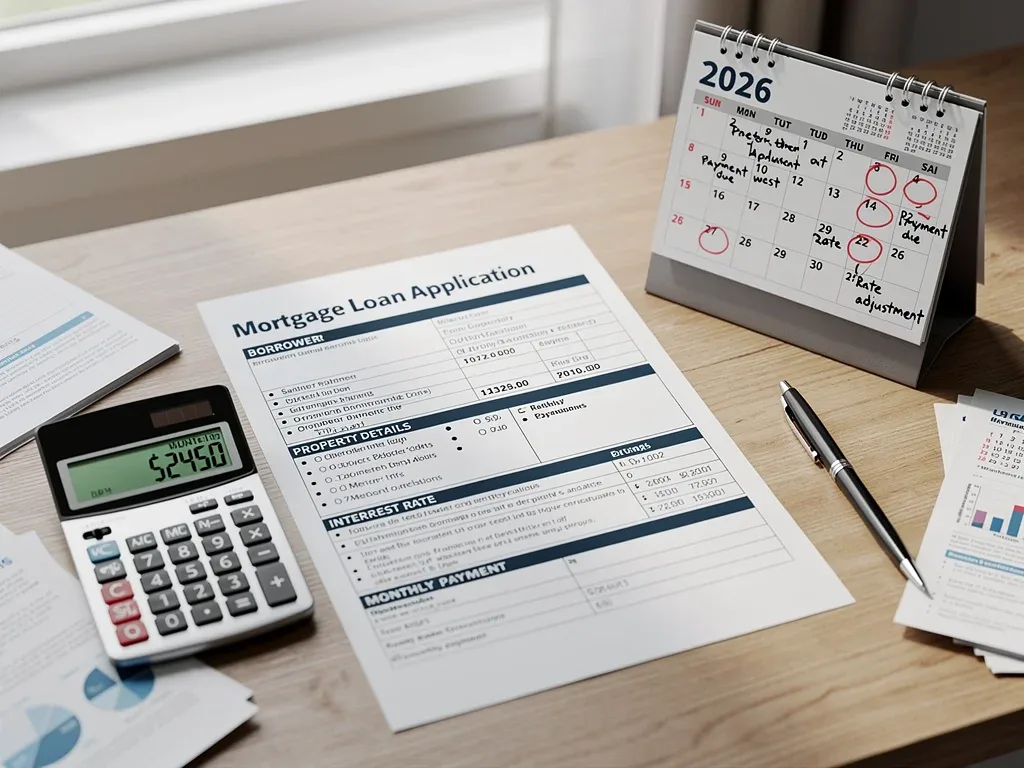
For property investors, this environment necessitates a more diligent approach to due diligence and market analysis. Relying solely on continuous price appreciation as a primary investment thesis may become riskier. Instead, focus might shift towards properties with strong rental income potential, those in resilient markets, or opportunities for value-add improvements that can command higher prices regardless of broader market trends. The era of easy gains might recede, making fundamental analysis and long-term vision more critical.
Investment Strategies: Adapting to Higher Interest Rates
For property investors, a 0.75% federal rate hike by 2026 implies a new landscape that demands strategic adaptation. The strategies that thrived in a low-interest rate environment—such as aggressive leveraging and relying heavily on rapid appreciation—may no longer be the most effective. Instead, investors will need to pivot towards more conservative and value-driven approaches, focusing on cash flow, long-term stability, and resilient market segments.
One key adaptation will be a renewed emphasis on positive cash flow. With higher borrowing costs, properties that generate strong and consistent rental income become more attractive, as they can better absorb increased mortgage payments. This might involve a deeper dive into rental market analysis, identifying areas with strong tenant demand, stable employment, and reasonable property taxes. Furthermore, investors might explore alternative financing options or consider properties that require less leverage to maintain healthy profit margins.
Strategic Shifts for Investors
- Focus on Cash Flow: Prioritize properties with strong, reliable rental income to offset higher financing costs.
- Value-Add Opportunities: Seek properties where strategic renovations or improvements can significantly increase value and attract higher rents, rather than relying on market appreciation alone.
- Long-Term Holds: Short-term speculative plays may become riskier. A longer-term holding strategy can better weather market fluctuations and allow for eventual appreciation.
- Debt Management: Re-evaluate existing debt structures and consider refinancing options if favorable terms become available, or reducing leverage where possible.
Beyond traditional residential investments, some investors might explore less interest-rate-sensitive sectors, such as industrial real estate, self-storage, or certain niche commercial properties that are driven by different economic fundamentals. Diversification across property types and geographies can also mitigate risk. The key is to be proactive, continuously monitor market conditions, and be prepared to adjust strategies rather than clinging to outdated approaches that no longer align with the economic realities of a higher interest rate environment.
Rental Market Dynamics and Opportunities for Landlords
While rising interest rates can dampen homebuyer demand, they often have a contrasting effect on the rental market. As homeownership becomes less affordable due to higher mortgage rates, a larger segment of the population may remain in or enter the rental market. This increased demand for rental properties, coupled with potentially slower new construction starts due to higher financing costs for developers, could lead to a tightening rental market. For landlords and investors focused on rental income, this presents a significant opportunity.
A 0.75% federal rate hike by 2026 could therefore lead to sustained or even increased rental growth in many areas, particularly in markets with strong job growth and limited housing supply. Investors who own rental properties might find themselves in a favorable position to command higher rents and experience lower vacancy rates. However, it’s crucial to balance rental growth potential with the increased costs of property ownership, including higher mortgage payments, property taxes, and maintenance expenses.
Rental Market Implications
The dynamic interplay between homeownership affordability and rental demand is critical. When the cost of buying a home rises, the pool of potential renters expands. This shift in demand can empower landlords to adjust rental prices upwards, assuming local market conditions support such increases without causing excessive vacancy. Furthermore, if higher interest rates deter new construction, the supply of new rental units could slow, further bolstering demand for existing properties.
Investors should conduct thorough market analysis to identify submarkets within their target areas that are best positioned for rental growth. Factors such as local economic stability, population trends, and the ratio of home prices to rental rates will be paramount. Focusing on properties that cater to essential worker housing or those in areas with high quality-of-life indicators can also prove to be resilient strategies.
Moreover, while the overall rental market might strengthen, landlords must also be mindful of evolving tenant expectations and competitive pressures. Investing in property improvements, maintaining competitive amenities, and providing excellent tenant services will remain essential for attracting and retaining renters, even in a robust rental market. The goal is to maximize occupancy and rental income while effectively managing operational costs in a potentially higher-cost lending environment.
Regional Variations and Niche Markets to Watch
The impact of a 0.75% federal rate hike by 2026 will not be uniform across the vast and diverse real estate landscape of the United States. While national trends provide a general direction, regional variations will be significant, driven by local economic conditions, population shifts, housing inventory, and industry concentrations. Savvy property investors will need to conduct granular market analysis to identify resilient regions and emerging niche markets that may offer better opportunities or act as safe havens during periods of economic adjustment.
Some regions, particularly those with strong, diversified economies, robust job growth, and persistent housing shortages, may prove more resilient to the effects of higher interest rates. Tech hubs, emerging manufacturing centers, and areas benefiting from demographic shifts (e.g., migration to sunbelt states) might continue to see steady demand, albeit potentially with moderated price appreciation. Conversely, markets that experienced rapid, speculative growth with less underlying economic fundamental support might be more vulnerable to price corrections as borrowing costs increase.
Identifying Resilient and Emerging Markets
- Economic Diversity: Regions not overly reliant on a single industry tend to be more stable.
- Population Growth: Areas attracting new residents consistently generate housing demand.
- Housing Supply: Markets with persistent inventory shortages may better withstand demand fluctuations.
- Job Market Strength: Strong employment growth underpins both homebuyer and renter demand.

Beyond broad regional analysis, investors should also explore niche markets that might perform differently under higher interest rates. For instance, single-family rental (SFR) properties might see increased demand from families priced out of homeownership. Affordable housing segments could also become more attractive as buyers seek lower-cost options. Additionally, sectors like industrial real estate, driven by e-commerce and supply chain needs, or specialized commercial properties with long-term leases, might offer more stability compared to traditional office or retail spaces.
The key is to move beyond a one-size-fits-all approach and delve into the specifics of local economies and property types. Engaging with local real estate professionals, analyzing hyper-local data, and understanding the unique supply-demand dynamics of specific neighborhoods will be crucial for making informed investment decisions in a post-rate-hike environment. This targeted approach allows investors to capitalize on specific opportunities while mitigating risks associated with broader market shifts.
Long-Term Outlook and Investor Resilience
While the immediate implications of a 0.75% federal rate hike by 2026 might present challenges for some property investors, it’s crucial to maintain a long-term perspective. Real estate has historically proven to be a resilient asset class, adapting to various economic cycles, including periods of higher interest rates. The long-term outlook for property investment in the United States remains fundamentally strong, supported by population growth, ongoing demand for housing, and the intrinsic value of tangible assets.
Periods of economic adjustment, such as those potentially triggered by rate hikes, often create new opportunities for astute investors. Market corrections can lead to more favorable entry points for acquisitions, while increased demand for rentals can strengthen cash flow for income-generating properties. The key to long-term success lies in building a resilient investment portfolio that can withstand fluctuations and capitalize on emerging trends. This involves a focus on quality assets, prudent financial management, and a willingness to adapt investment strategies as conditions evolve.
Building a Resilient Portfolio
- Diversification: Spread investments across different property types (residential, commercial, industrial) and geographic locations to mitigate risk.
- Strong Fundamentals: Invest in properties with good bones, desirable locations, and strong underlying demand drivers, rather than relying solely on market hype.
- Prudent Leverage: Avoid over-leveraging properties. Maintain healthy debt-to-equity ratios to ensure financial stability even if cash flow tightens.
- Contingency Planning: Have reserves for unexpected expenses, vacancies, or periods of lower rental income.
Moreover, the real estate market is constantly evolving, driven by technological advancements, demographic shifts, and changing lifestyle preferences. Investors who stay informed about these broader trends—such as the increasing demand for sustainable properties, smart home technologies, or flexible living spaces—can position themselves for long-term growth. The ability to innovate, adapt, and consistently evaluate market conditions will be the hallmark of successful property investors in 2026 and beyond. A 0.75% rate hike is a significant factor, but it is one of many that contribute to the dynamic tapestry of the real estate market.
| Key Impact Area | Brief Description of Impact |
|---|---|
| Mortgage Rates | Likely increase, making borrowing more expensive for homebuyers and investors. |
| Property Values | Moderated appreciation or potential corrections in overvalued markets. |
| Rental Market | Increased demand due to reduced homebuyer affordability, potentially higher rents. |
| Investor Strategy | Shift towards cash flow, value-add, and long-term holds; re-evaluation of leverage. |
Frequently Asked Questions About Rate Hikes and Real Estate
How quickly would a 0.75% federal rate hike affect mortgage rates?▼Mortgage rates typically track the federal funds rate closely, though not always directly. A 0.75% increase would likely lead to a swift, though not necessarily identical, rise in mortgage rates, often within weeks or a few months, as lenders adjust their offerings to reflect the higher cost of capital.
Will a rate hike cause a real estate market crash?▼While a 0.75% rate hike would likely cool down an overheated market and moderate appreciation, a widespread crash is less certain. Factors like housing supply, job growth, and local economic resilience play significant roles in preventing sharp declines, often leading to market stabilization rather than collapse.
What property types are most vulnerable to rising interest rates?▼Properties heavily reliant on financing and rapid resale, such as speculative flips, tend to be more vulnerable. Also, markets with high price-to-income ratios and less underlying economic diversity might experience greater pressure on property values and demand as borrowing costs increase.
How can investors hedge against higher interest rates?▼Investors can hedge by focusing on cash-flowing properties, reducing leverage, diversifying portfolios, investing in value-add opportunities, and locking in fixed-rate financing. Exploring inflation-protected assets or markets with strong rental demand can also mitigate risks associated with rising rates.
Is 2026 still a good time to invest in real estate after a rate hike?▼Yes, but with adjusted strategies. While the market may be less buoyant, higher rates can create opportunities by reducing competition and leading to more realistic pricing. Focusing on long-term value, strong fundamentals, and cash flow will be key to successful investing in 2026.
Conclusion
The prospect of a 0.75% federal rate hike by 2026 represents a significant economic shift, one that will undoubtedly reshape the real estate landscape for property investors in the United States. While higher borrowing costs and moderated property appreciation will present challenges, they also herald a return to more fundamental-driven investment strategies. Successful investors will be those who adapt proactively, focusing on cash flow, strategic diversification, and a deep understanding of regional market dynamics. The long-term resilience of real estate, coupled with an informed and agile approach, suggests that opportunities will persist for those prepared to navigate the evolving economic currents.