Future of Real Estate: 3 Major Market Shifts by Mid-2026
Advertisements
The real estate market is poised for significant transformation, driven by technological advancements, a growing emphasis on sustainability, and the evolution of hybrid work models, all converging to reshape housing and commercial property landscapes by mid-2026.
The landscape of property ownership and development is perpetually evolving, but certain periods witness accelerated change. As we approach mid-2026, the real estate sector stands at a pivotal juncture, ready to experience profound shifts. Understanding the future of real estate shifts is crucial for investors, homeowners, and industry professionals alike. This article delves into three major transformations poised to redefine how we live, work, and invest in properties across the United States.
The rise of PropTech and AI in property transactions
The real estate industry, traditionally slow to adopt cutting-edge technology, is now rapidly embracing innovation. PropTech, or property technology, coupled with artificial intelligence (AI), is no longer a niche concept but a driving force reshaping every aspect of property transactions, from initial search to final closing.
These technological advancements are streamlining processes, enhancing transparency, and empowering both buyers and sellers with unprecedented access to information. By mid-2026, the integration of AI-driven analytics and virtual tools will be commonplace, radically altering how properties are valued, marketed, and managed.
AI-powered valuation and predictive analytics
Gone are the days when property valuations relied solely on human judgment and comparable sales. AI algorithms are now capable of processing vast datasets, including neighborhood demographics, economic indicators, zoning laws, and even social media sentiment, to provide highly accurate and dynamic property valuations. This allows for more precise pricing strategies and investment decisions.
- Dynamic pricing models: AI constantly adjusts property values based on real-time market fluctuations.
- Risk assessment: Predictive analytics identify potential investment risks and opportunities with greater accuracy.
- Personalized recommendations: AI matches buyers with properties that fit their specific needs and preferences.
Virtual reality and augmented reality for property tours
The pandemic accelerated the adoption of virtual tours, but by mid-2026, these will evolve into fully immersive virtual and augmented reality (VR/AR) experiences. Prospective buyers will be able to ‘walk through’ properties from anywhere in the world, visualize potential renovations, and even furnish spaces virtually before making a decision.
This not only saves time and travel costs but also opens up property markets to a global audience, fostering increased competition and potentially driving up demand in desirable areas. The convenience and detail offered by these technologies are set to become standard expectations.
The convergence of PropTech and AI is creating a more efficient, data-driven, and accessible real estate market. This shift demands that industry professionals adapt and leverage these tools to remain competitive, while consumers benefit from a more transparent and personalized experience. The foundational elements of property transactions are being fundamentally re-engineered.
Sustainability and green building mandates
Environmental consciousness is no longer a niche concern; it’s a global imperative that is significantly impacting the real estate sector. By mid-2026, sustainability and green building practices will transition from desirable amenities to essential mandates, driven by consumer demand, government regulations, and the undeniable economic benefits of eco-friendly properties.
This shift will reshape construction methods, property management, and investment strategies, favoring buildings that minimize environmental impact and maximize energy efficiency. The long-term value proposition of sustainable real estate is becoming increasingly clear.
The push for net-zero and energy-efficient homes
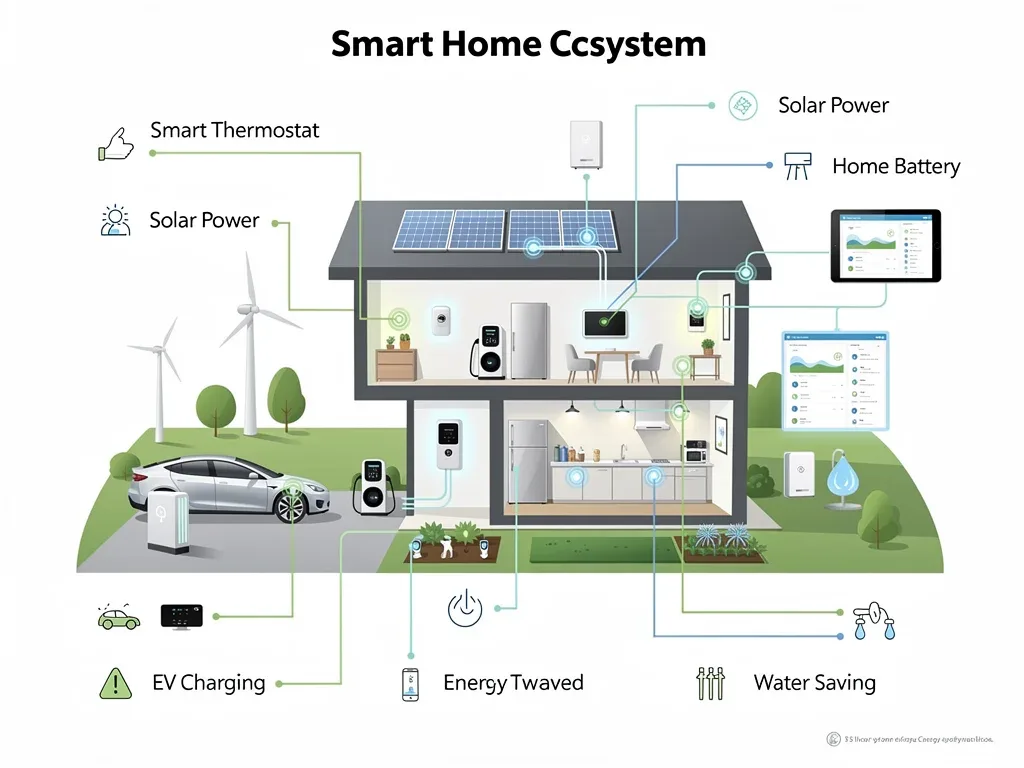
Governments at federal, state, and local levels are enacting stricter building codes and offering incentives for energy-efficient construction. The goal is to reduce carbon footprints and mitigate climate change. This translates to an increased demand for net-zero homes, which produce as much energy as they consume, and buildings with advanced insulation, solar panels, and smart energy management systems.
- Reduced operating costs: Energy-efficient homes lead to lower utility bills for occupants.
- Higher resale value: Green certifications often translate to a premium in the market.
- Improved indoor air quality: Sustainable materials and designs contribute to healthier living environments.
Impact of climate resilience on property insurance and development
As climate change intensifies, properties in vulnerable areas face increased risks from natural disasters like floods, wildfires, and extreme weather events. This is already influencing property insurance costs and development decisions. Insurers are becoming more selective, and developers are incorporating climate resilience into their designs, such as elevated foundations and fire-resistant materials.
This trend will see a re-evaluation of high-risk zones, potentially shifting demand and investment towards more resilient locations. Understanding and mitigating climate risks will be paramount for long-term property ownership and investment success.
The emphasis on sustainability is fundamentally altering the definition of a quality property. Developers, investors, and homeowners must prioritize eco-friendly features and climate resilience to ensure their properties remain valuable and viable in the evolving market. This is not just an ethical choice but a sound financial one that will define success in the coming years.
Hybrid work models and the transformation of commercial spaces
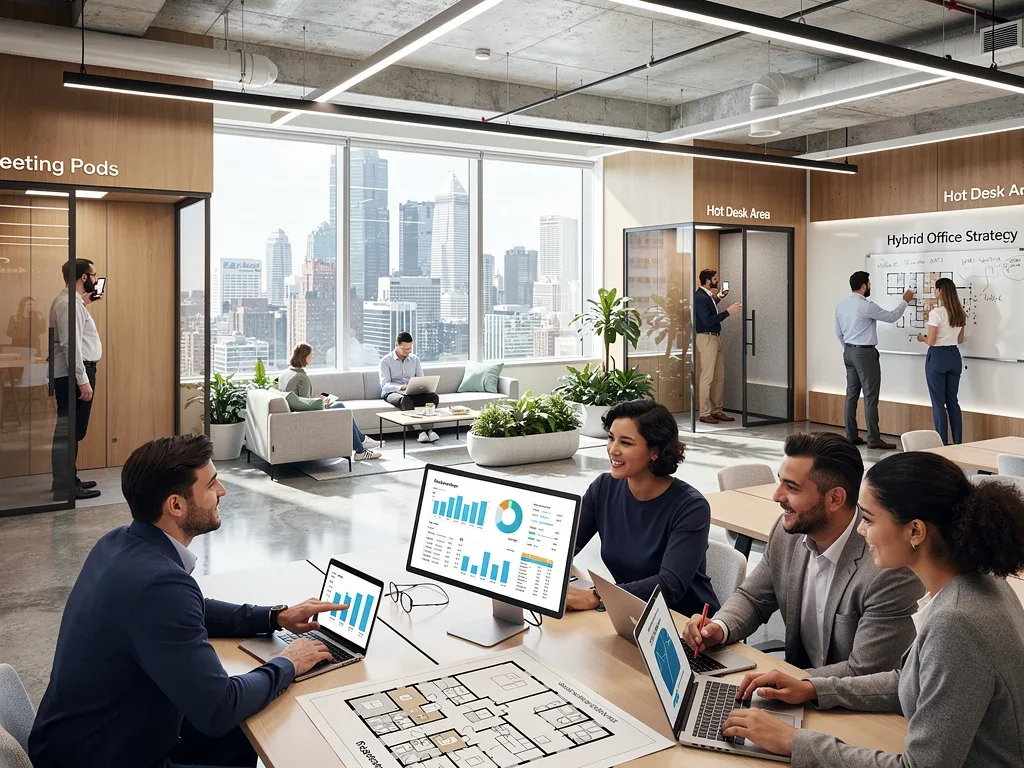
The global shift towards hybrid work models, accelerated by recent events, is profoundly impacting the commercial real estate sector. The traditional office building, once the undisputed hub of corporate activity, is being reimagined. By mid-2026, we will see a significant transformation in how commercial spaces are designed, utilized, and valued, adapting to a workforce that increasingly blends remote and in-office work.
This paradigm shift is creating both challenges and opportunities, requiring landlords and businesses to innovate and offer flexible, amenity-rich environments that cater to diverse working patterns.
The evolution of office spaces: from fixed desks to flexible hubs
Companies are moving away from rows of fixed desks towards dynamic, multi-functional spaces that support collaboration, creativity, and sporadic in-person meetings. This includes more co-working areas, customizable meeting rooms, and quiet zones for focused work. The focus is on creating an experience that draws employees into the office, rather than simply providing a place to work.
- Flexibility and adaptability: Spaces are designed to be easily reconfigured for various team sizes and tasks.
- Enhanced amenities: Offices are offering more perks like fitness centers, cafes, and wellness rooms to attract talent.
- Reduced footprints: Some companies are opting for smaller, more efficient office spaces as fewer employees are in the office daily.
Redefining urban planning and mixed-use developments
The hybrid work model also has broader implications for urban planning. With fewer people commuting daily to central business districts, there’s a growing demand for mixed-use developments that integrate residential, commercial, and retail spaces. This creates vibrant, self-sufficient communities where people can live, work, and socialize without extensive travel.
Cities are adapting by encouraging pedestrian-friendly designs, green spaces, and local amenities that cater to a more localized workforce. This shift could revitalize suburban areas and create new economic hubs outside traditional downtown cores, impacting property values and development opportunities across the board.
The commercial real estate market is undergoing a fundamental re-evaluation of purpose and design. Success will hinge on the ability of property owners and developers to create flexible, amenity-rich, and community-oriented spaces that align with the evolving needs of the modern workforce. This transformation will continue to shape urban and suburban landscapes for years to come.
Affordability crisis and innovative housing solutions
The persistent challenge of housing affordability is set to intensify by mid-2026, prompting a surge in innovative housing solutions. Rising interest rates, inflation, and limited housing supply have pushed homeownership out of reach for many, particularly first-time buyers and lower-income households. This crisis is driving the exploration and implementation of alternative housing models and financing mechanisms.
Addressing this issue will require a multi-faceted approach, involving technological advancements, policy changes, and community-driven initiatives to expand access to safe and affordable housing.
Modular and prefabricated construction for cost reduction
One promising solution to the affordability crisis lies in modular and prefabricated construction. These methods involve manufacturing building components off-site in a controlled environment and then assembling them on-site. This approach significantly reduces construction time, labor costs, and material waste, leading to more affordable housing units.
By mid-2026, advancements in design and manufacturing will make these homes virtually indistinguishable from traditional builds, offering durability, aesthetic appeal, and customization options. This method can rapidly increase housing supply to meet demand.
Co-living and shared equity models gaining traction
Beyond construction methods, innovative ownership and living arrangements are gaining popularity. Co-living spaces, which offer private bedrooms within shared communal areas, provide a more affordable and community-focused alternative to traditional rentals. Shared equity models, where a nonprofit or government entity shares a portion of a home’s equity, make homeownership accessible to those who might otherwise be priced out of the market.
- Community focus: Co-living fosters social connections and reduces isolation.
- Reduced financial burden: Shared equity lowers the upfront costs of homeownership.
- Increased accessibility: These models open up housing opportunities to a broader demographic.
The affordability crisis is forcing a re-evaluation of traditional housing norms. The adoption of modular construction, coupled with the growth of co-living and shared equity models, represents a significant shift towards more equitable and sustainable housing solutions. These innovations are crucial for ensuring that housing remains accessible to all segments of the population.
Demographic shifts and evolving housing preferences
The demographic landscape of the United States is continuously shifting, and these changes are profoundly influencing housing preferences and market dynamics. By mid-2026, the preferences of millennials and Gen Z, coupled with an aging baby boomer population, will necessitate significant adjustments in housing development, design, and location. Understanding these evolving needs is paramount for developers and investors.
This demographic restructuring is creating demand for different types of housing, amenities, and community structures, moving away from the one-size-fits-all approach of previous generations.
Millennials and Gen Z driving demand for walkable urbanism
Younger generations, particularly millennials and Gen Z, are increasingly prioritizing experiences over possessions and convenience over spaciousness. This translates into a strong preference for walkable urban environments, close to public transportation, cultural attractions, and employment centers. They seek vibrant communities where they can live, work, and socialize without heavy reliance on personal vehicles.
- Proximity to amenities: Desired locations are near shops, restaurants, and entertainment.
- Access to public transit: Less reliance on cars for daily commutes.
- Community engagement: Interest in areas with strong social infrastructure and events.
Aging population’s impact on accessible and amenity-rich communities
Concurrently, the aging baby boomer population is creating a growing demand for accessible, low-maintenance housing and communities with robust healthcare and social amenities. Many seniors are looking to downsize from larger family homes but still desire independence and an active lifestyle. This drives demand for single-level living, universal design features, and communities that offer a range of services from healthcare to recreational activities.
Developers are increasingly focusing on creating senior-friendly communities that promote well-being and social interaction, often integrating these into larger mixed-use developments. This dual demographic pressure—younger generations seeking urban vibrancy and older generations seeking accessible comfort—will reshape residential development.
These demographic shifts underscore the need for a more diversified housing market. Developers must be agile in responding to the distinct preferences of different age groups, creating communities that cater to a wide spectrum of lifestyles and needs. Ignoring these evolving preferences risks alienating significant segments of the buying and renting population.
Regulatory landscape and government policies
The regulatory landscape and government policies play a crucial role in shaping the real estate market. By mid-2026, we can anticipate significant policy shifts aimed at addressing housing affordability, promoting sustainable development, and adapting to new economic realities. These policies will either catalyze or constrain market growth, making it essential for stakeholders to stay informed and adapt.
Government intervention, whether through zoning reforms, tax incentives, or infrastructure investments, will have a direct impact on development opportunities and property values across the United States.
Zoning reforms to increase housing density
Many urban and suburban areas are experiencing severe housing shortages, partly due to restrictive zoning laws that limit density. By mid-2026, there will likely be increased pressure for zoning reforms that allow for more multi-family housing, accessory dwelling units (ADUs), and mixed-use developments. These changes aim to increase housing supply and combat affordability issues.
- Streamlined approval processes: Reducing bureaucratic hurdles for new developments.
- Incentives for affordable housing: Programs encouraging developers to include affordable units.
- Transit-oriented development: Policies promoting denser housing around public transport hubs.
Tax incentives for green buildings and smart home adoption
To accelerate the adoption of sustainable practices and smart home technology, governments are expected to introduce or expand tax incentives. These could include tax credits for energy-efficient renovations, rebates for installing solar panels, or reduced property taxes for green-certified buildings. Such incentives make sustainable features more attractive to both developers and homeowners.
These policies not only encourage environmentally responsible development but also stimulate economic activity within the green building sector. Understanding and leveraging these incentives will be vital for maximizing returns on sustainable investments.
The evolving regulatory and policy environment will be a critical determinant of the real estate market’s trajectory. Stakeholders must actively engage with policy discussions, anticipate changes, and strategically align their projects with government priorities to navigate the complexities and capitalize on emerging opportunities. Policies will continue to reflect societal values and economic pressures.
| Key Shift | Brief Description |
|---|---|
| PropTech & AI Dominance | AI and VR/AR streamline valuations, marketing, and property tours, enhancing efficiency and transparency. |
| Sustainability Mandates | Green building codes and climate resilience become standard, influencing design, insurance, and investment. |
| Hybrid Work Transformation | Commercial spaces evolve into flexible hubs, driving mixed-use developments and urban planning shifts. |
| Affordability Solutions | Modular construction, co-living, and shared equity models address the growing housing affordability crisis. |
Frequently asked questions about real estate’s future
How will AI specifically impact property valuation for homeowners?▼AI will provide homeowners with more precise and up-to-date property valuations by analyzing vast amounts of data beyond traditional comps, including local market trends, infrastructure projects, and even social media sentiment. This allows for better-informed selling or refinancing decisions and a clearer understanding of a property’s true market worth.
What are the key benefits of green buildings for commercial investors?▼Commercial investors benefit from green buildings through reduced operating costs due to energy efficiency, higher rental yields, and increased property values. They also attract environmentally conscious tenants and comply with evolving regulatory mandates, enhancing their long-term market appeal and resilience against climate risks.
Will hybrid work models lead to a decline in urban property values?▼While hybrid work might reduce demand for traditional office space, it’s more likely to trigger a transformation rather than a decline in urban property values. Cities will adapt with mixed-use developments, flexible office solutions, and enhanced amenities, potentially shifting value to more residential and community-centric urban areas, rather than a universal decline.
How can first-time homebuyers navigate the affordability crisis by mid-2026?▼First-time homebuyers can navigate the affordability crisis by exploring alternative housing options like modular homes, co-living arrangements, or shared equity programs. They should also research government assistance programs, consider properties in emerging markets, and prioritize financial literacy to secure the best possible financing options.
What role will government policies play in shaping future real estate development?▼Government policies will be pivotal, with a focus on zoning reforms to increase housing density, tax incentives for sustainable building practices, and investments in infrastructure. These policies aim to address affordability, promote environmental responsibility, and guide where and how new developments occur, significantly influencing market supply and demand.
Conclusion
The real estate market is on the cusp of a transformative era, with significant shifts anticipated by mid-2026. The integration of PropTech and AI will revolutionize property transactions, making them more efficient and transparent. Sustainability will move from an option to a mandate, driving green building practices and climate-resilient development. Concurrently, hybrid work models will reshape commercial spaces and urban planning, while demographic changes will redefine housing preferences. Navigating these changes successfully will require adaptability, foresight, and a willingness to embrace innovation across all facets of the industry.