Sustainable Building Practices: Real Estate Insights & Green Demand
Advertisements
The real estate sector is undergoing a profound transformation with the widespread adoption of sustainable building practices, leading to a projected 20% increase in green property demand by 2026.
The landscape of real estate development is experiencing a profound shift, with a growing emphasis on environmental responsibility and resource efficiency. This evolution is underpinned by the rise of sustainable building practices, which are not just an ethical choice but are rapidly becoming an economic imperative. As we look towards 2026, projections indicate a significant 20% increase in demand for green properties, signaling a fundamental change in how we conceive, construct, and inhabit our built environments. This article delves into the core aspects of this transformation, exploring the drivers, benefits, challenges, and future outlook for sustainable real estate.
the imperative for sustainable building practices
The global call for climate action and increased environmental awareness has profoundly impacted the real estate sector. Sustainable building practices are no longer a niche concept but a mainstream expectation, driven by both consumer demand and regulatory pressures. This shift reflects a broader understanding of the long-term economic and environmental benefits associated with eco-friendly construction.
environmental benefits and resource efficiency
One of the primary drivers behind sustainable building is its undeniable positive impact on the environment. These practices aim to minimize the ecological footprint of buildings throughout their lifecycle, from design and construction to operation and eventual demolition. By focusing on resource efficiency, sustainable buildings reduce consumption and waste, contributing significantly to a healthier planet.
- Reduced energy consumption: Green buildings often incorporate advanced insulation, energy-efficient windows, and renewable energy sources like solar panels, drastically cutting down on electricity and heating needs.
- Water conservation: Strategies such as rainwater harvesting, greywater recycling, and low-flow fixtures are integral to sustainable designs, conserving precious water resources.
- Lower carbon emissions: By optimizing energy use and utilizing sustainable materials, green buildings contribute less to greenhouse gas emissions, a major factor in climate change.
- Waste reduction: Construction waste is a significant environmental problem. Sustainable practices emphasize recycling construction debris, using recycled materials, and designing for deconstruction to minimize landfill waste.
economic advantages for developers and owners
Beyond environmental stewardship, sustainable building practices offer substantial financial incentives. Developers are finding that green projects can command higher market values and attract a specific, growing segment of buyers and tenants. For property owners, the operational savings are a compelling reason to invest in sustainability.
The economic benefits extend to reduced operational costs, increased property value, and often, attractive incentives from government bodies. These financial upsides make a strong case for integrating sustainable approaches into all stages of real estate development, proving that being green can also be profitable.
The move towards sustainable building practices is not just a trend; it’s a fundamental re-evaluation of how real estate interacts with our environment and economy. As the demand for green properties continues to soar, understanding these core imperatives becomes crucial for anyone involved in the real estate sector.
key trends driving green property demand
The projected 20% increase in green property demand by 2026 is fueled by a confluence of evolving consumer preferences, technological advancements, and supportive policy frameworks. These trends are collectively reshaping the real estate market, making sustainable features a significant differentiator.
consumer consciousness and health awareness
Today’s consumers are more informed and environmentally conscious than ever before. There’s a growing understanding of how indoor environments impact health and well-being, leading to a preference for homes and workspaces that prioritize air quality, natural light, and non-toxic materials. This awareness directly translates into demand for green properties.
Buyers are actively seeking properties that offer tangible benefits for their health and the planet. This includes features like improved indoor air quality, access to natural light, and the use of sustainable, non-toxic building materials. The market is responding to this demand by integrating these elements into new developments and renovations.
technological innovations in sustainable construction
Advancements in building technology are making sustainable construction more accessible and cost-effective. From smart home systems that optimize energy use to innovative materials with lower environmental impacts, technology is a critical enabler of the green building movement.
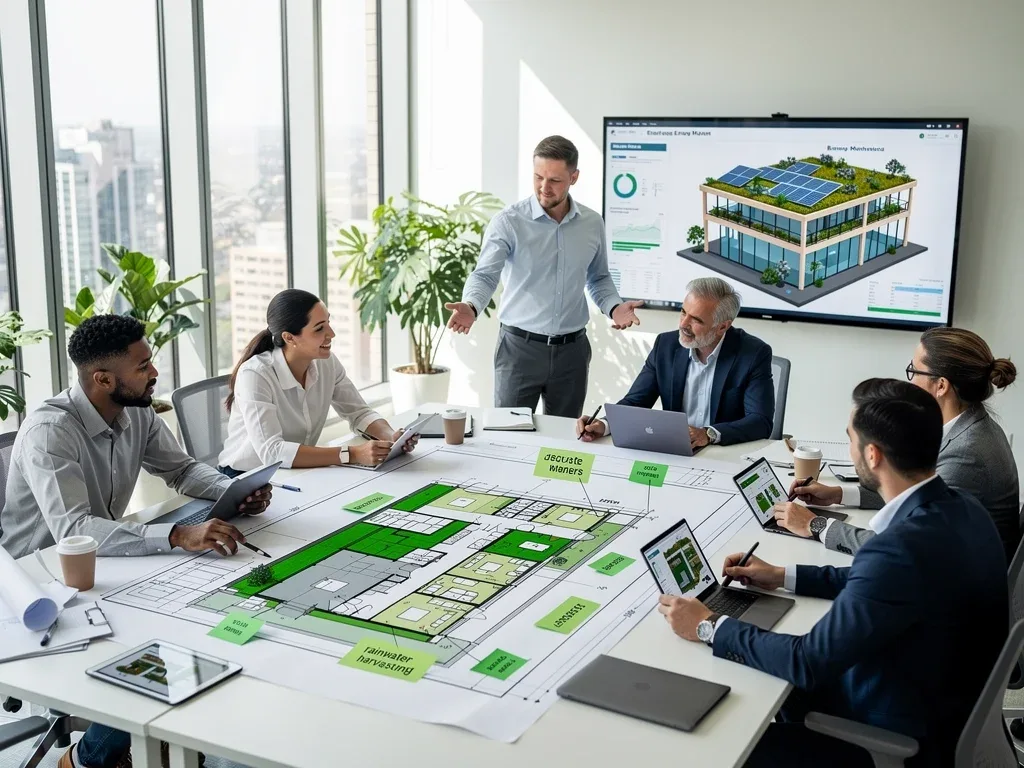
Innovations such as prefabricated modules, advanced insulation techniques, and integrated renewable energy systems are reducing construction time and costs while enhancing building performance. These technological leaps are making sustainable options increasingly attractive to both developers and end-users.
- Smart building systems: Automation for lighting, heating, ventilation, and air conditioning (HVAC) systems optimizes energy consumption based on occupancy and external conditions.
- Renewable energy integration: Solar panels, geothermal heating, and wind turbines are becoming standard features, reducing reliance on fossil fuels.
- Advanced material science: Development of self-healing concrete, recycled plastics for construction, and sustainably sourced timber offers new eco-friendly alternatives.
- Modular and prefabricated construction: Reduces waste, improves efficiency, and allows for greater precision in building components, often leading to more sustainable outcomes.
government incentives and regulatory frameworks
Governments at various levels are playing a crucial role in promoting sustainable building through a mix of incentives, mandates, and certification programs. These policies provide a strong impetus for developers to adopt greener practices.
Tax credits, grants, and expedited permitting processes for green developments are powerful motivators. Additionally, stricter building codes and energy efficiency standards are driving compliance and innovation across the industry. The combination of consumer pull and regulatory push creates a robust environment for the growth of sustainable real estate.
These key trends collectively paint a clear picture: sustainable building practices are not just a fleeting interest but a foundational shift in the real estate sector. The market is evolving, and those who embrace these changes will be best positioned for future success.
the impact of certifications and standards
In the realm of sustainable building, certifications and standards play a pivotal role in validating environmental performance and providing a clear framework for developers and consumers. These benchmarks offer transparency and assurance, distinguishing truly green properties from those merely claiming to be.
understanding LEED and other green building ratings
Leadership in Energy and Environmental Design (LEED) is perhaps the most widely recognized green building certification program globally. It provides a comprehensive framework for assessing building performance across various sustainability metrics. However, LEED is not the only player in this space; a host of other certifications cater to specific regional needs or focus areas.
- LEED (Leadership in Energy and Environmental Design): Evaluates buildings based on factors like sustainable site development, water savings, energy efficiency, materials selection, and indoor environmental quality.
- Green Globes: An assessment and certification program that offers a flexible, interactive, and affordable approach to green building.
- ENERGY STAR: Focuses specifically on energy efficiency for buildings and products, often used in conjunction with other certifications.
- Living Building Challenge: A rigorous performance standard that aims to create buildings that function as elegantly as nature’s ecosystems.
benefits for developers and investors
Achieving green building certifications offers tangible benefits for developers and investors. These credentials can significantly enhance a property’s marketability, command higher rents, and improve asset valuation. In a competitive market, a certified green building stands out.
Beyond market differentiation, certified buildings often qualify for various financial incentives, including tax breaks, grants, and favorable lending terms. These benefits can improve project profitability and attract socially responsible investors who prioritize ESG (Environmental, Social, and Governance) criteria. The long-term operational savings due to reduced energy and water consumption further bolster the financial appeal.
consumer trust and market differentiation
For consumers, green building certifications provide a reliable indicator of a property’s environmental performance and health benefits. This trust factor is crucial in a market saturated with generic ‘eco-friendly’ claims. A certified property offers peace of mind and assures buyers and tenants that their investment aligns with their values.
The ability to differentiate a property through recognized certifications allows developers to tap into the growing demand for sustainable living and working spaces. This not only attracts premium tenants and buyers but also builds a strong brand reputation for environmental leadership. As the market matures, certifications will become even more integral to property valuation and desirability.
In conclusion, certifications and standards are indispensable tools in advancing sustainable building practices. They provide a common language for sustainability, drive innovation, and offer a clear pathway for recognizing and rewarding environmentally responsible real estate development.
challenges and opportunities in sustainable development
While the momentum behind sustainable building practices is undeniable, the path to widespread adoption is not without its hurdles. Developers face a unique set of challenges, yet these very obstacles often present significant opportunities for innovation and market leadership.
initial costs versus long-term savings
One of the most frequently cited challenges in sustainable development is the perception of higher upfront costs. Implementing green technologies, sourcing sustainable materials, and achieving certifications can sometimes add to initial construction expenses. However, this perspective often overlooks the substantial long-term operational savings.
While the initial outlay might be higher, green buildings typically boast significantly lower utility bills due to reduced energy and water consumption. They also tend to have lower maintenance costs and longer lifespans for certain components. Educating stakeholders about the total cost of ownership, rather than just initial capital expenditure, is crucial to overcoming this perception. Furthermore, the enhanced property value and market appeal often offset these initial costs over time.
navigating regulatory complexities
The regulatory landscape for sustainable building can be complex and varied, with different jurisdictions having their own codes, incentives, and permitting processes. This patchwork of regulations can be daunting for developers operating across multiple regions.
However, this complexity also presents an opportunity for specialized expertise. Developers who invest in understanding and navigating these regulations efficiently can gain a competitive advantage. Furthermore, working proactively with local authorities can help shape future policies, fostering an environment more conducive to sustainable development. The trend is towards greater standardization and support for green building, making early engagement beneficial.
supply chain and material sourcing challenges
Sourcing sustainable and locally produced materials can sometimes be challenging, particularly in regions where the green building supply chain is still developing. Availability, cost, and verification of environmental claims are common issues.
This challenge, however, is spurring innovation and the growth of new industries focused on sustainable materials. Developers who forge strong relationships with ethical suppliers and invest in research for alternative materials can not only overcome these hurdles but also contribute to building a more robust green supply chain. The demand for such materials is growing, creating a fertile ground for new partnerships and product development.
Despite these challenges, the opportunities presented by sustainable development—from long-term financial gains to enhanced brand reputation and market leadership—make it an increasingly attractive and necessary direction for the real estate industry.
financing green properties and investment opportunities
The growing preference for green properties has not gone unnoticed by the financial sector. A robust ecosystem of financing options and investment vehicles is emerging, specifically designed to support sustainable real estate development and acquisition, opening up new avenues for capital and returns.
green mortgages and sustainable loans
Traditional lenders are increasingly offering specialized financial products tailored for green properties. Green mortgages provide more favorable terms, such as lower interest rates or reduced fees, for homes that meet specific energy efficiency or environmental standards. These incentives make it more attractive for buyers to invest in sustainable homes.
Similarly, sustainable construction loans are becoming available for developers committed to building green projects. These loans often come with benefits like flexible repayment schedules or lower borrowing costs, acknowledging the long-term value and lower risk profile associated with eco-friendly developments. The availability of such financial instruments is a clear indicator of the market’s confidence in sustainable real estate.
impact investing and ESG criteria
Impact investing, which seeks to generate both financial returns and positive social or environmental impact, is a significant driver of capital into green real estate. Investors are increasingly evaluating opportunities through an Environmental, Social, and Governance (ESG) lens, recognizing that sustainable practices contribute to long-term value creation and risk mitigation.
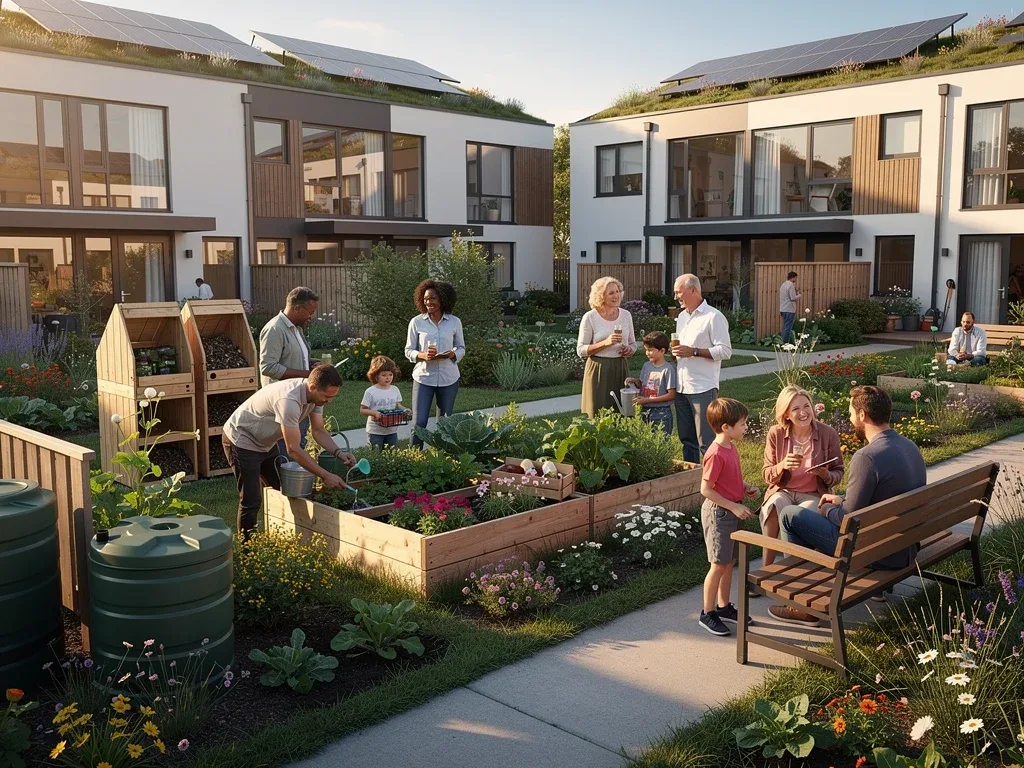
Real estate funds and institutional investors are now specifically targeting properties with strong ESG performance. This trend not only provides a steady stream of capital for sustainable projects but also encourages developers to integrate ESG considerations into every stage of their operations. The alignment of financial goals with environmental responsibility is a powerful force shaping the investment landscape.
public-private partnerships and grants
Beyond individual loans and private investments, public-private partnerships and government grants play a vital role in de-risking and catalyzing sustainable development. Governments often offer grants, subsidies, or tax incentives for projects that meet specific environmental criteria, especially those addressing affordable housing or community development.
These partnerships can bridge funding gaps, provide technical assistance, and accelerate the adoption of innovative green technologies. By collaborating, public and private entities can unlock significant capital and expertise, driving larger-scale sustainable initiatives that might otherwise be unfeasible. This collaborative approach is essential for scaling up sustainable building practices across the nation.
The financial landscape for green properties is evolving rapidly, offering a wealth of opportunities for both investors seeking responsible returns and developers looking to fund their sustainable visions. This financial backing is crucial for achieving the projected growth in green property demand.
the future of sustainable real estate: 2026 and beyond
As we approach 2026, the trajectory for sustainable real estate is clear: continued growth, deeper integration into mainstream development, and an expanding definition of what ‘green’ truly means. The projected 20% increase in green property demand by 2026 is just a milestone on a much longer journey towards a fully sustainable built environment.
integration of smart city concepts
The future of sustainable real estate will increasingly intertwine with smart city initiatives. Buildings will not operate in isolation but as interconnected components of a larger, intelligent urban ecosystem. This integration will optimize resource use, enhance livability, and create more resilient communities.
Expect to see more developments incorporating smart grids, integrated waste management systems, and intelligent transportation solutions. These interconnected systems will allow for real-time data analysis, enabling greater efficiency in energy, water, and waste, ultimately contributing to a more sustainable urban footprint. The focus will shift from individual green buildings to green neighborhoods and cities.
resilience and climate adaptation
Beyond reducing environmental impact, future sustainable buildings will prioritize resilience against climate change impacts. This includes designing properties to withstand extreme weather events, adapting to rising sea levels, and incorporating features that enhance community preparedness and recovery.
Materials and construction techniques will evolve to offer greater durability and adaptability to changing environmental conditions. Furthermore, sustainable developments will often include features like green infrastructure for stormwater management, passive cooling strategies, and on-site renewable energy generation to ensure operational continuity during disruptions. The emphasis will be on creating buildings that are not only eco-friendly but also future-proof.
circular economy principles in construction
The concept of a circular economy, where resources are kept in use for as long as possible, extracting maximum value from them while in use, then recovering and regenerating products and materials at the end of each service life, will become more prevalent in real estate. This means a shift away from linear ‘take-make-dispose’ models.
This will involve designing buildings for deconstruction, promoting the reuse and recycling of building materials, and minimizing waste throughout the entire lifecycle. Innovations in material science will continue to support this shift, creating products that are not only sustainable but also easily reclaimable and recyclable. The goal is to create buildings that are not only efficient but also contribute positively to resource cycles.
The future of sustainable real estate is bright and dynamic. It promises not just greener buildings but more resilient, intelligent, and resource-efficient communities that are better prepared for the challenges and opportunities of the coming decades.
case studies: successful sustainable developments in the US
Examining real-world examples provides tangible evidence of how sustainable building practices are being successfully implemented across the United States. These case studies highlight innovative approaches, diverse applications, and the measurable benefits of green development, inspiring further adoption.
the Bullitt Center, Seattle, Washington
Often hailed as ‘the greenest commercial building in the world,’ the Bullitt Center is a six-story, 50,000-square-foot office building that demonstrates what’s possible in sustainable design. It operates as a Living Building, meaning it meets the rigorous performance standards of the Living Building Challenge.
- Net-zero energy and water: The building generates all its own electricity through rooftop solar panels and collects and treats all its rainwater for potable use, returning excess to the ground.
- Composting toilets: Eliminates wastewater discharge and recovers nutrients.
- Healthy materials: Constructed with materials free of over 350 harmful chemicals, promoting excellent indoor air quality.
- Pedestrian-focused design: Features a prominent ‘irresistible stairway’ to encourage stair use over elevators, promoting health and reducing energy.
The Bullitt Center proves that ultra-sustainable buildings are not only feasible but can also be highly functional and aesthetically pleasing, setting a new standard for urban development.
The Solaire, Battery Park City, New York
The Solaire, completed in 2003, was one of the first truly green residential high-rises in the United States. Located in Battery Park City, it set a precedent for environmentally conscious urban living and achieved a LEED Gold certification.
This building showcased early adoption of advanced sustainable features in a high-density urban environment. Its success demonstrated that luxury and sustainability could coexist, attracting residents who valued both environmental responsibility and premium living conditions. The Solaire’s pioneering efforts paved the way for numerous subsequent green residential projects in dense urban areas.
Philly Living Future, Philadelphia, Pennsylvania
Philly Living Future is an initiative aimed at transforming a significant portion of Philadelphia’s existing building stock into high-performing, sustainable structures. This project focuses on retrofitting older buildings to meet modern green standards, addressing a critical aspect of sustainable development: improving the efficiency of existing infrastructure rather than just building new.
By demonstrating that even older buildings can be adapted to be highly sustainable, Philly Living Future provides a scalable model for urban renewal that prioritizes environmental performance and health. It highlights the importance of comprehensive strategies that encompass both new construction and existing assets in achieving broader sustainability goals.
These case studies underscore the diversity and success of sustainable building practices across different scales and building types in the US. They serve as powerful examples of what can be achieved when innovation, commitment, and a focus on long-term value converge.
| Key Aspect | Brief Description |
|---|---|
| Demand Growth | Projected 20% increase in green property demand by 2026, driven by consumer and market trends. |
| Benefits | Environmental preservation, reduced operational costs, higher property values, and improved occupant health. |
| Key Drivers | Consumer awareness, technological advancements, and supportive government policies and incentives. |
| Challenges | Higher upfront costs, regulatory complexities, and supply chain issues for sustainable materials. |
Frequently asked questions about sustainable real estate
What defines a sustainable building?▼A sustainable building is designed, constructed, and operated to minimize its environmental impact and maximize occupant well-being. This includes efficient use of energy, water, and materials, reduction of waste and pollution, and promotion of healthy indoor environments. Certifications like LEED often define specific criteria.
Why is demand for green properties increasing?▼Demand is rising due to increased environmental awareness among consumers, the desire for healthier living spaces, significant long-term cost savings from reduced utility bills, and attractive government incentives. This confluence of factors makes green properties a smart investment.
Are sustainable buildings more expensive to build?▼While initial construction costs for sustainable buildings can sometimes be slightly higher due to specialized materials or technologies, these are often offset by substantial long-term operational savings. Reduced energy and water consumption lead to lower utility bills, and green properties often command higher market values.
What role do certifications like LEED play?▼Certifications like LEED provide a credible, third-party verification of a building’s environmental performance. They offer a framework for developers to adhere to sustainable practices and give consumers confidence in a property’s green claims. These certifications also enhance marketability and can unlock financial incentives.
What are the future trends in sustainable real estate?▼Future trends include deeper integration with smart city technologies, an increased focus on climate resilience and adaptation, and the wider adoption of circular economy principles in construction. Buildings will become more interconnected, durable, and resource-efficient, contributing to truly sustainable urban environments.
conclusion
The journey towards a more sustainable built environment is well underway, with sustainable building practices at its core. The projected 20% increase in green property demand by 2026 is a testament to a fundamental shift in market values, driven by environmental consciousness, technological innovation, and economic foresight. While challenges remain, the opportunities for developers, investors, and occupants are immense. Embracing sustainability is no longer an option but a strategic imperative, promising not only a healthier planet but also more resilient, efficient, and valuable real estate assets for the future.