High-Yield Investment Properties 2026: 8% Cap Rate Opportunities
Advertisements
Identifying high-yield investment properties in 2026 with a minimum 8% cap rate requires a deep understanding of market dynamics, emerging trends, and strategic asset selection for optimal returns.
Are you looking to strategically position your portfolio for significant gains? The real estate market in 2026 presents unique opportunities for investors seeking high-yield investment properties, particularly those targeting a minimum 8% cap rate. This comprehensive guide will navigate the complexities, uncover promising sectors, and equip you with the insights needed to make informed decisions and capitalize on these lucrative prospects.
Understanding the 8% Cap Rate Target in 2026
Achieving an 8% capitalization rate (cap rate) in real estate is an ambitious yet attainable goal for discerning investors in 2026. This metric, calculated by dividing a property’s net operating income (NOI) by its current market value, serves as a crucial indicator of potential return on investment. As we look ahead, understanding the economic forces shaping cap rates is paramount.
The real estate landscape is perpetually in flux, influenced by interest rates, inflation, supply and demand dynamics, and broader economic stability. In 2026, we anticipate a continued normalization of interest rates, which could put upward pressure on cap rates as borrowing costs stabilize. This environment necessitates a meticulous approach to property valuation and risk assessment, ensuring that the targeted 8% cap rate is not only achievable but also sustainable in the long term.
The Significance of Cap Rate
Cap rate provides a snapshot of a property’s income-generating potential relative to its price, making it an invaluable tool for comparing investment opportunities. A higher cap rate generally indicates a higher potential return, though it can also signal increased risk. For investors aiming for an 8% cap rate, this often means looking beyond prime, stable markets into areas with growth potential or properties that require value-add strategies.
- Income Generation: Directly reflects the property’s ability to generate cash flow.
- Risk Assessment: Higher cap rates can sometimes imply higher perceived risk or future uncertainty.
- Market Comparison: Allows for easy comparison of different investment opportunities within a market.
- Valuation Tool: A primary metric for appraising income-producing properties.
Moreover, the 8% cap rate target suggests a focus on properties that offer a compelling balance between risk and reward. This could involve exploring niche markets, secondary cities, or specific asset classes that are currently undervalued or poised for significant appreciation. It’s a strategic move away from highly competitive, low-cap-rate assets in saturated markets.
In conclusion, the pursuit of an 8% cap rate in 2026 demands a sophisticated understanding of market fundamentals and a readiness to explore opportunities that might be overlooked by mainstream investors. It’s about identifying value where others might not yet see it, and capitalizing on the evolving economic climate.
Emerging Markets Poised for Growth and High Yields
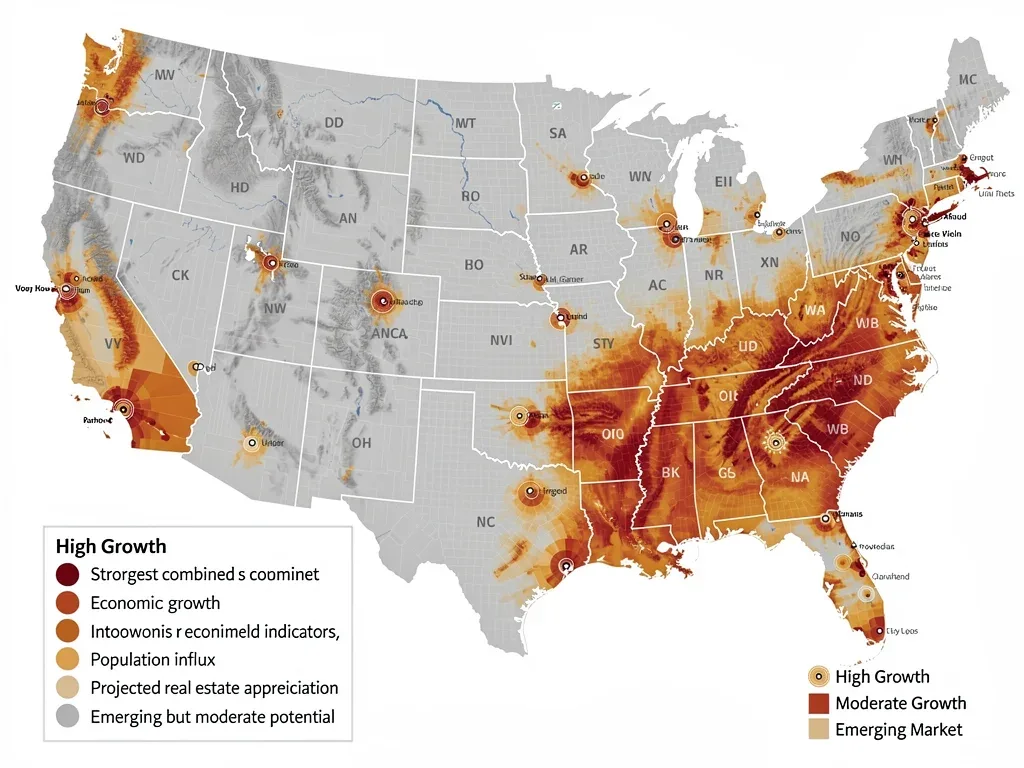
Identifying emerging markets is a cornerstone of securing high-yield investment properties. These are areas characterized by strong economic indicators, population growth, and favorable business climates, often leading to increased demand for housing and commercial spaces. In 2026, several regions across the United States are showing significant promise for investors targeting an 8% cap rate.
These markets typically benefit from job creation, infrastructure development, and a lower cost of living compared to traditional gateway cities. The influx of new residents and businesses drives up rental demand and property values, creating fertile ground for robust returns. Thorough due diligence is crucial to distinguish genuine growth from speculative bubbles.
Key Indicators of Promising Markets
When evaluating emerging markets, a few critical indicators stand out. These include consistent job growth, particularly in resilient sectors like technology, healthcare, and logistics; a growing population, often driven by migration from more expensive urban centers; and a pro-business local government that supports development and investment. Additionally, affordability plays a significant role in attracting both residents and businesses.
- Job Market Strength: Consistent growth in diverse employment sectors.
- Population Dynamics: Steady influx of new residents and demographic shifts.
- Economic Diversification: Reduced reliance on a single industry.
- Infrastructure Development: Investments in transportation, utilities, and public amenities.
Examples of such markets might include rapidly expanding tech hubs in the Sun Belt, logistics centers near major transportation corridors, or university towns with stable student populations and growing research sectors. These areas often present a less competitive environment than primary markets, allowing for better entry points and higher potential yields.
Ultimately, selecting emerging markets for high-yield investment properties involves a forward-looking perspective and a willingness to invest in areas that may not yet be on every investor’s radar. The reward for such foresight can be substantial, particularly when targeting an 8% cap rate.
Top Property Types for Achieving an 8% Cap Rate
Not all property types are created equal when it comes to achieving an 8% cap rate. Certain asset classes inherently offer higher yield potential due to their operational characteristics, demand drivers, or value-add opportunities. In 2026, investors should carefully consider which property types align best with their risk tolerance and investment strategy.
While multifamily remains a perennial favorite, other sectors are increasingly demonstrating strong performance and the potential for attractive cap rates. Understanding the nuances of each property type is essential for making informed decisions and maximizing returns in a competitive market.
Analyzing High-Yield Asset Classes
Industrial properties, particularly those related to e-commerce and logistics, continue to show robust demand and strong rental growth. Self-storage facilities, often overlooked, offer stable income streams and lower operating costs, contributing to higher cap rates. Specialized housing, such as senior living or student housing in underserved markets, can also present compelling opportunities.
Furthermore, certain segments of the retail sector, particularly necessity-based retail or those with strong tenant covenants, are demonstrating resilience and attractive yields. The key is to identify properties with strong fundamentals, reliable income streams, and potential for future appreciation or rent growth.
Consider the following property types for their high-yield potential:
- Industrial/Logistics: Driven by e-commerce expansion and supply chain optimization.
- Self-Storage: Stable demand, lower maintenance, and flexible pricing.
- Specialized Multifamily: Student housing, senior living, or workforce housing in growing areas.
- Value-Add Retail: Repositioning or redeveloping underperforming retail assets.
The ability to identify and capitalize on value-add opportunities within these property types is often what pushes cap rates higher. This could involve updating units, improving management, or implementing strategic renovations that increase rental income and property value.
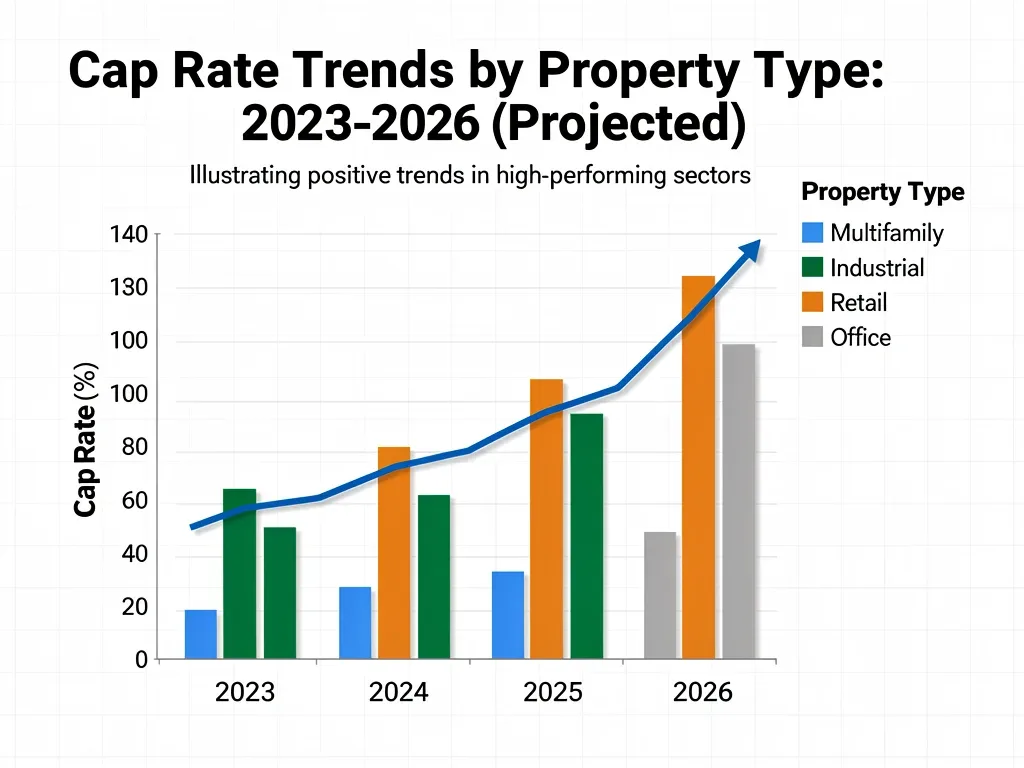
In summary, a diversified approach across these high-potential property types, coupled with a focus on value creation, can significantly enhance the likelihood of achieving an 8% cap rate in 2026.
Strategies for Identifying and Securing High Cap Rate Deals
Securing investment properties with an 8% cap rate requires more than just knowing where to look; it demands a strategic approach to identification, negotiation, and due diligence. In a competitive market, investors must employ proactive strategies to uncover off-market deals and leverage their networks effectively.
The pursuit of high-yield assets often means looking beyond traditional listing platforms and engaging directly with property owners, brokers, and local market experts. Developing strong relationships and demonstrating a clear understanding of market value can provide a significant advantage.
Uncovering Off-Market Opportunities
Off-market deals are frequently where the best cap rate opportunities are found. These properties are not publicly listed, reducing competition and often allowing for more favorable pricing. Strategies for finding off-market deals include direct outreach to property owners, networking with local real estate attorneys and accountants, and cultivating relationships with commercial brokers who specialize in specific property types or submarkets.
Another effective strategy is to identify distressed properties or owners motivated to sell quickly. This could be due to financial pressures, life events, or a desire to divest from underperforming assets. These situations often present opportunities to acquire properties at a discount, thereby boosting the potential cap rate.
- Direct Owner Outreach: Contacting property owners who may be considering selling.
- Broker Networks: Building relationships with specialized commercial real estate brokers.
- Local Professionals: Engaging with attorneys, accountants, and property managers for leads.
- Targeting Distressed Assets: Seeking out properties in foreclosure, probate, or with deferred maintenance.
Once a potential deal is identified, meticulous due diligence is non-negotiable. This includes comprehensive financial analysis, property inspections, market research, and legal review. A thorough understanding of the property’s income and expenses, as well as any potential liabilities, is essential for accurately calculating the cap rate and ensuring the investment meets the 8% target.
By combining proactive sourcing with rigorous analysis, investors can significantly increase their chances of securing high-yield investment properties in 2026.
Navigating Financing and Risk Mitigation for Optimal Returns
Successful investment in high-yield properties hinges not only on identifying promising assets but also on shrewd financing and robust risk mitigation strategies. Achieving an 8% cap rate often involves leveraging debt, making the terms of financing a critical component of overall profitability. Furthermore, mitigating potential risks is essential to protect capital and ensure sustainable returns.
The current and projected interest rate environment in 2026 will heavily influence financing costs. Investors need to explore various lending options, including conventional loans, private financing, and even creative structures like seller financing, to optimize their capital stack and enhance cash flow.
Smart Financing Approaches
Securing favorable loan terms can significantly impact the net operating income and, consequently, the cap rate. Investors should compare interest rates, amortization schedules, and loan-to-value ratios from multiple lenders. Considering fixed-rate options can provide stability against future interest rate fluctuations, while adjustable-rate mortgages might offer lower initial payments but carry greater risk.
Additionally, understanding the impact of leverage is crucial. While debt can amplify returns, excessive leverage increases risk. A balanced approach that optimizes the debt-to-equity ratio is key. Investors might also explore opportunities to refinance existing properties if market conditions become more favorable, thereby improving cash flow and potentially increasing their effective cap rate.
- Diversify Lending Sources: Explore traditional banks, credit unions, and private lenders.
- Optimize Loan Terms: Focus on competitive interest rates, favorable amortization, and LTV.
- Consider Refinancing: Evaluate opportunities to reduce borrowing costs on existing assets.
- Strategic Leverage: Balance debt to equity for amplified returns without excessive risk.
Essential Risk Mitigation Tactics
Risk mitigation is paramount for any real estate investment, especially when targeting higher yields. This involves a multi-faceted approach, including thorough due diligence, obtaining comprehensive property insurance, and having contingency plans for unexpected expenses. Diversifying a portfolio across different property types or geographic locations can also spread risk.
Furthermore, implementing proactive property management strategies to minimize vacancies, maintain property condition, and ensure tenant satisfaction is vital. Understanding local market regulations, potential environmental risks, and economic forecasts also contributes to a robust risk management framework.
By carefully navigating financing options and implementing effective risk mitigation strategies, investors can bolster their chances of achieving and sustaining an 8% cap rate in 2026.
Market Trends and Economic Outlook Impacting 2026 Investments
The real estate market in 2026 will be shaped by a confluence of evolving market trends and broader economic factors. Understanding these dynamics is critical for investors aiming to identify high-yield investment properties with an 8% cap rate. Key trends include shifts in demographic patterns, technological advancements, and the ongoing evolution of work and lifestyle preferences.
Economically, factors such as inflation, interest rate policies, and global economic stability will continue to play a significant role. A nuanced understanding of these elements allows investors to anticipate market movements and position their investments strategically.
Demographic Shifts and Their Influence
Demographic shifts, such as the aging population, migration patterns, and the preferences of younger generations, are profoundly influencing real estate demand. The demand for senior living facilities, affordable housing in growing secondary cities, and properties catering to remote workers are all trends that are expected to continue or intensify in 2026. Recognizing these shifts can guide investors towards properties that will experience sustained demand and rental growth.
For instance, the continued movement of populations from expensive coastal cities to more affordable inland areas is creating new pockets of demand and investment opportunities in previously overlooked markets. This migration pattern often brings with it a need for diverse housing options, from single-family rentals to multifamily developments, all of which can offer attractive cap rates if acquired and managed effectively.
Technological Integration and Sustainability
Technology is increasingly integrated into real estate, from smart home features in residential properties to advanced logistics systems in industrial facilities. Properties that embrace technological advancements, such as energy-efficient systems, smart building management, and high-speed internet infrastructure, will likely command higher rents and attract more desirable tenants. This can contribute directly to increased NOI and, therefore, higher cap rates.
Sustainability is another trend that is gaining momentum. Environmentally friendly buildings, with features like solar panels, rainwater harvesting, and efficient insulation, are becoming more attractive to both tenants and investors. These properties often benefit from lower operating costs and may qualify for various incentives, further enhancing their financial performance.
- Remote Work Impact: Continued demand for properties with dedicated home office spaces or in suburban/exurban locations.
- E-commerce Growth: Sustained demand for industrial and logistics properties.
- Energy Efficiency: Properties with green features attract premium rents and lower operating costs.
- Urbanization/De-urbanization: Understanding population shifts between urban and suburban/rural areas.
By staying abreast of these market trends and economic forecasts, investors can make more informed decisions, identifying properties that are not only high-yield today but also well-positioned for future growth and resilience in 2026 and beyond.
Due Diligence and Valuation Best Practices for High-Yield Properties
Thorough due diligence and accurate valuation are indispensable for identifying and securing high-yield investment properties with a minimum 8% cap rate. Without a meticulous investigative process, investors risk overlooking critical issues that could severely impact profitability and long-term viability. This phase is where potential risks are uncovered and the true value of an asset is determined.
Effective due diligence goes beyond surface-level inspections, delving into financial records, legal documents, market conditions, and property specifics. It’s about building a comprehensive picture of the investment to validate the projected cap rate and ensure it aligns with realistic expectations.
Comprehensive Financial Analysis
A deep dive into the property’s financial performance is paramount. This includes reviewing historical income and expense statements, rent rolls, lease agreements, and utility bills. Investors must verify all sources of income and scrutinize operating expenses to identify any discrepancies or potential areas for optimization. Underestimating expenses or overestimating income can lead to a miscalculation of the cap rate.
It’s also important to project future income and expenses based on market trends and planned improvements. This forward-looking analysis helps in assessing the sustainability of the 8% cap rate target. Additionally, conducting a sensitivity analysis to understand how changes in vacancy rates, operating costs, or rental income might impact returns is a crucial step.
Physical and Legal Due Diligence
Beyond the financials, a thorough physical inspection of the property is essential. This should involve engaging professional inspectors to assess the structural integrity, mechanical systems, roof, and foundation. Identifying deferred maintenance or significant repair needs upfront allows investors to factor these costs into their acquisition strategy and cap rate calculation.
Legal due diligence involves reviewing title reports, zoning regulations, environmental reports, and any existing litigation or liens against the property. Understanding property restrictions, potential environmental hazards, or legal encumbrances is critical to avoid future complications and unexpected expenses. Ensuring clear title and compliance with local regulations is fundamental to a secure investment.
- Review Income/Expense Statements: Verify all revenue streams and operational costs.
- Analyze Rent Roll and Leases: Understand tenant quality, lease terms, and potential for rent growth.
- Professional Property Inspection: Identify physical defects and necessary capital expenditures.
- Legal and Environmental Checks: Confirm clear title, zoning compliance, and absence of environmental liabilities.
By adhering to these best practices in due diligence and valuation, investors can confidently assess the true potential of high-yield investment properties and make well-informed decisions that support their 8% cap rate objectives in 2026.
| Key Investment Area | Brief Description |
|---|---|
| Emerging Markets | Focus on areas with strong job growth, population influx, and favorable business climates for higher yields. |
| High-Yield Property Types | Industrial, self-storage, and specialized multifamily offer strong income potential. |
| Strategic Sourcing | Utilize off-market deals, broker networks, and direct outreach to find undervalued assets. |
| Financing & Due Diligence | Optimize loan terms and conduct thorough financial and physical property checks. |
Frequently Asked Questions About High-Yield Real Estate in 2026
What is a good cap rate for investment properties in 2026?▼While a “good” cap rate varies by market and property type, an 8% cap rate in 2026 indicates a strong potential return relative to the property’s value. It suggests a balance of income generation and manageable risk, often found in emerging markets or specific asset classes.
Which property types offer the highest cap rates?▼In 2026, industrial properties (especially logistics and e-commerce-related), self-storage facilities, and specialized multifamily housing (like student or senior living) are generally expected to offer higher cap rates due to robust demand and operational efficiencies.
How can I find off-market deals for high-yield properties?▼Off-market deals can be found through direct outreach to property owners, networking with commercial brokers, real estate attorneys, and accountants, and by identifying distressed properties or motivated sellers. Building strong local connections is key.
What economic factors will impact cap rates in 2026?▼Key economic factors include interest rate trends, inflation, local job growth, population migration, and overall economic stability. These influence borrowing costs, rental demand, and property values, directly affecting cap rate calculations and investment viability.
Is an 8% cap rate sustainable for long-term investments?▼Sustainability of an 8% cap rate depends on thorough due diligence, effective property management, and favorable market conditions. While challenging to maintain, strategic value-add initiatives and careful risk mitigation can help sustain high yields over the long term.
Conclusion
The pursuit of high-yield investment properties with a minimum 8% cap rate in 2026 is an endeavor that requires a blend of strategic foresight, meticulous research, and proactive execution. As the real estate landscape continues to evolve, investors who focus on emerging markets, diversify across high-potential property types, and employ robust due diligence and financing strategies will be best positioned to capitalize on lucrative opportunities. The insights provided herein aim to equip you with the knowledge to navigate this dynamic market effectively, transforming challenges into significant returns and building a resilient, high-performing investment portfolio for the future.