
2026 US Credit Card Debt: Average Household Debt Hits $7,000
The 2026 report on US credit card debt indicates a significant rise, with average household debt now standing at $7,000. This trend signals evolving economic pressures and consumer spending habits.

Federal Student Loan Program Overhaul 2026: 6 Key Policy Shifts
The 2026 federal student loan program overhaul introduces six significant policy shifts, poised to redefine repayment options, interest rates, and eligibility criteria for millions of US borrowers, demanding careful attention from all stakeholders.

2026 US Predatory Lending: High-Interest Traps (36%+ APR) & Avoidance
The 2026 US predatory lending landscape presents significant high-interest traps, often exceeding 36% APR, which consumers must understand and actively avoid through informed financial decisions and awareness of protective measures.

Credit Card Delinquency Rates in US Hit 10-Year High: What’s Driving the Trend?
US credit card delinquency rates surged to a 10-year high of 3.5% in January 2026, reflecting a complex interplay of persistent inflation, rising interest rates, and a softening labor market impacting consumer financial health and spending patterns.

US Bankruptcy Laws 2026: 3-Month Outlook for Debt Relief
This article delves into the significant updates to US bankruptcy laws scheduled for 2026, offering a crucial 3-month outlook on how these changes will affect individuals and businesses seeking debt relief and financial restructuring.

Mortgage Credit Availability Drops 5% in Q4 2025: 2026 Homebuyer Impact
The US Mortgage Credit Availability Index experienced a 5% decline in Q4 2025, signaling tighter lending conditions for prospective homebuyers in 2026, which could impact market dynamics and affordability.

Q1 2026 Credit Market Report: US Auto Loan Defaults Rise
The Q1 2026 Credit Market Report indicates a significant 15% increase in US auto loan defaults, signaling potential challenges for both lenders and borrowers in the evolving economic landscape.
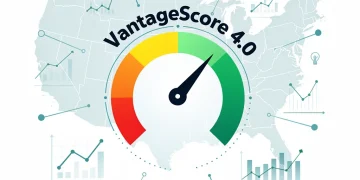
VantageScore 4.0: New Credit Score Models Gaining Traction in US for 2026
VantageScore 4.0 is rapidly gaining traction in the US credit market, poised to significantly reshape how creditworthiness is assessed by 2026, offering a more inclusive and dynamic evaluation than previous models.