Property Management in 2026: 6 Strategies to Boost Rental Income
Optimizing rental income in 2026 necessitates strategic property management, focusing on technology integration, tenant experience, and market adaptation to ensure sustained profitability for landlords.
Por: Rita Lima em 8 de abril de 2026
Última atualização em: 26 de junho de 2026
Advertisements
Optimizing rental income in 2026 necessitates strategic property management, focusing on technology integration, tenant experience, and market adaptation to ensure sustained profitability for landlords.
As we navigate the evolving landscape of real estate, understanding the future of property management in 2026 is crucial for any property owner or investor aiming to maximize their returns. The industry is undergoing rapid transformation, driven by technological advancements, shifting tenant expectations, and dynamic market conditions. Staying ahead means not just reacting to changes, but proactively implementing strategies that enhance efficiency, tenant satisfaction, and ultimately, your bottom line. This article delves into six essential strategies designed to optimize your rental income, ensuring your properties remain competitive and profitable in the coming years.
Advertisements
Leveraging smart technology for operational efficiency
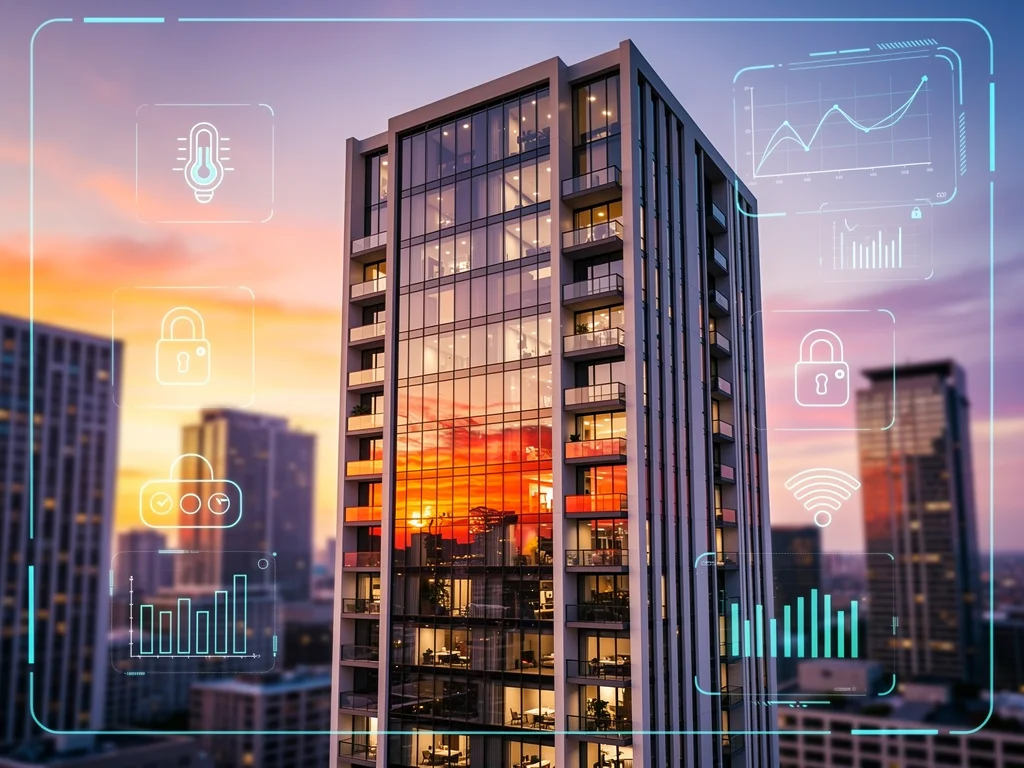
The dawn of 2026 brings with it an even greater reliance on smart technology within property management. Embracing these innovations is no longer an option but a necessity for landlords seeking to streamline operations and reduce costs. From automated rent collection to AI-driven tenant screening, technology offers solutions that enhance every aspect of property management.
Integrating smart home devices into rental properties provides a significant advantage. These devices, such as smart thermostats, lighting systems, and security cameras, can attract tech-savvy tenants and potentially command higher rents. Furthermore, they offer long-term benefits in terms of energy efficiency and enhanced security, reducing utility costs for tenants and insurance premiums for owners.
Implementing property management software
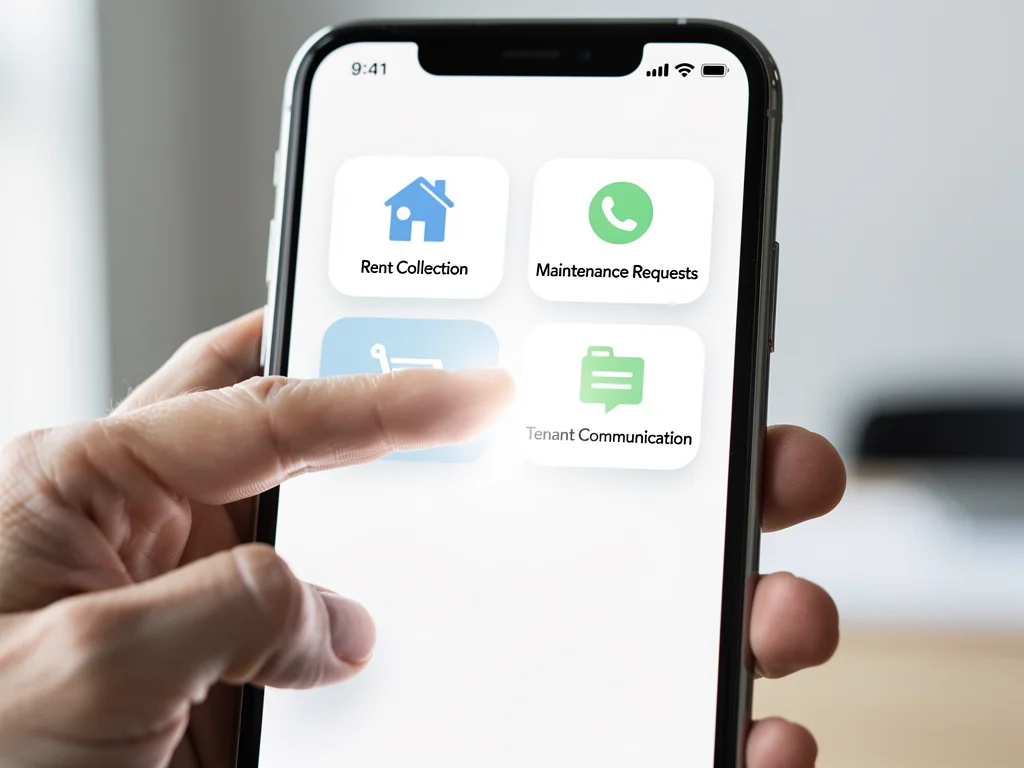
Modern property management software platforms are the backbone of efficient operations. These comprehensive systems handle everything from lease agreements and maintenance requests to financial reporting and communication with tenants. Choosing the right software can significantly reduce administrative burdens and free up time for more strategic tasks.
Automated rent collection and payment reminders.
Centralized communication portals for tenants and staff.
Digital lease signing and document management.
Integrated maintenance request tracking.
The ability to manage multiple properties from a single dashboard provides unparalleled convenience and control. These platforms often include robust analytics tools, offering insights into property performance and helping identify areas for improvement. This data-driven approach is vital for informed decision-making and optimizing rental income.
By leveraging smart technology, property managers can transform their daily operations, moving away from manual, time-consuming tasks towards automated, efficient processes. This not only improves the tenant experience but also significantly boosts the profitability of each property, making it a cornerstone of effective property management in 2026.
Enhancing tenant experience and retention
In a competitive rental market, tenant satisfaction is paramount. Happy tenants are more likely to renew their leases, reducing turnover costs and ensuring a steady flow of rental income. Focusing on an exceptional tenant experience goes beyond just providing a well-maintained property; it involves creating a community and fostering positive relationships.
Proactive communication and responsiveness to tenant needs are key. Utilizing tenant portals for easy communication, maintenance requests, and announcements can significantly improve satisfaction. Regular check-ins and surveys can also provide valuable feedback, allowing property managers to address issues before they escalate.
Creating a sense of community
Building a sense of community within your properties can greatly enhance tenant retention. This can be achieved through various initiatives, from organizing social events to creating shared spaces where residents can interact. A strong community fosters a feeling of belonging, making tenants less likely to seek housing elsewhere.
Create communal areas like gardens, fitness centers, or co-working spaces.
Facilitate online forums or social media groups for residents to connect.
Offer local partnership discounts for nearby businesses.
The overall quality of life within a property directly impacts a tenant’s decision to stay. Investing in amenities that cater to modern lifestyles, such as high-speed internet, pet-friendly policies, and convenient package delivery systems, can also make a significant difference. These thoughtful touches contribute to a positive living environment and encourage long-term residency.
Ultimately, a focus on tenant experience and retention is a strategic investment in the long-term profitability of your properties. Reduced vacancy rates, lower marketing costs, and a strong reputation for tenant satisfaction are all direct benefits that contribute to optimizing rental income and are crucial for effective property management in 2026.
Proactive maintenance and property upgrades
Maintaining properties in excellent condition is fundamental to attracting and retaining high-quality tenants and justifying competitive rental rates. Proactive maintenance, rather than reactive repairs, prevents larger, more costly issues down the line and ensures tenant comfort. This strategy is essential for preserving property value and optimizing rental income.
Regular inspections and a preventative maintenance schedule can identify potential problems before they become emergencies. This includes routine checks of HVAC systems, plumbing, electrical wiring, and structural integrity. Investing in these preventative measures saves money in the long run and minimizes disruption for tenants.
Strategic property upgrades
Periodically upgrading properties can significantly increase their appeal and allow for higher rental prices. These upgrades don’t always need to be major renovations; even small, thoughtful improvements can make a big impact. Focusing on areas that offer the highest return on investment is key.
Updating kitchens and bathrooms with modern fixtures and energy-efficient appliances.
Improving curb appeal with landscaping and exterior paint.
Installing smart home technology for enhanced convenience and security.
Upgrading flooring and lighting for a contemporary feel.
When considering upgrades, it’s important to research current market trends and tenant preferences. For instance, with a growing emphasis on sustainability, energy-efficient windows, solar panels, or low-flow water fixtures can be attractive selling points. These improvements not only benefit the environment but can also lead to lower utility bills for tenants, adding to the property’s value proposition.
By implementing a robust proactive maintenance plan and strategically upgrading properties, landlords can ensure their assets remain desirable and command top dollar in the rental market. This approach is a cornerstone of successful property management in 2026, directly contributing to optimized rental income and long-term asset appreciation.
Dynamic pricing and market analysis
Setting the right rental price is a delicate balance. Price too high, and you risk long vacancies; price too low, and you leave money on the table. In 2026, dynamic pricing, informed by continuous market analysis, will be crucial for landlords to maximize their rental income. This involves adapting rental rates based on demand, seasonality, and local market conditions.
Utilizing data analytics tools that track rental rates for comparable properties in your area, vacancy rates, and demographic shifts is essential. These tools can provide insights into optimal pricing strategies, helping you adjust rents proactively rather than reactively. The goal is to find the sweet spot that attracts qualified tenants quickly while ensuring maximum profitability.
Understanding local market trends
A deep understanding of local market trends is indispensable for effective dynamic pricing. This includes monitoring economic indicators, employment rates, new construction projects, and changes in local amenities. These factors all influence rental demand and can impact what tenants are willing to pay.
Analyze average rental prices for similar properties in your neighborhood.
Track vacancy rates to gauge demand and supply.
Monitor local economic growth and job market stability.
Stay informed about new developments and infrastructure projects.
Consider the seasonal fluctuations in your market. Rental demand often peaks during certain times of the year, such as early summer, allowing for slightly higher pricing. Conversely, during slower periods, a slight price adjustment or offering incentives might be necessary to fill vacancies quickly. Flexibility in pricing can significantly reduce vacancy periods and boost overall income.
By adopting a dynamic pricing strategy rooted in thorough market analysis, property managers can ensure their properties are always priced competitively and profitably. This intelligent approach to rental rate setting is a critical strategy for optimizing rental income and a key component of effective property management in 2026.
Sustainable practices and green initiatives
The demand for environmentally friendly living spaces continues to grow, making sustainable practices and green initiatives not just an ethical choice but a strategic business advantage in 2026. Properties that incorporate eco-conscious features can attract a broader tenant base, potentially command higher rents, and benefit from reduced operational costs.
Implementing green initiatives goes beyond simple recycling programs. It involves a holistic approach to energy efficiency, water conservation, and waste reduction throughout the property. These efforts resonate with a growing segment of environmentally aware tenants who are often willing to pay a premium for sustainable living.
Implementing energy-efficient upgrades
Energy efficiency is a cornerstone of sustainable property management. Upgrades that reduce energy consumption not only lower utility bills for tenants but also decrease the property’s carbon footprint, making it more appealing to eco-conscious renters. These investments often have a strong return on investment through energy savings and increased property value.
Install LED lighting throughout common areas and individual units.
Upgrade to energy-efficient windows and insulation.
Utilize smart thermostats and energy management systems.
Consider installing solar panels for renewable energy generation.
Water conservation is another critical aspect of green initiatives. Installing low-flow fixtures, water-efficient appliances, and drought-resistant landscaping can significantly reduce water usage and associated costs. These measures not only benefit the environment but also contribute to lower operating expenses for the property owner.
By embracing sustainable practices and green initiatives, property managers can differentiate their properties in the market, attract environmentally conscious tenants, and achieve long-term cost savings. This forward-thinking approach is becoming increasingly vital for optimizing rental income and is a core element of successful property management in 2026.
Effective marketing and online presence
In the digital age, a robust online presence and effective marketing strategies are indispensable for attracting prospective tenants and minimizing vacancy periods. In 2026, simply listing a property on a few platforms won’t suffice; a multi-faceted approach leveraging various digital channels is necessary to reach the widest possible audience and highlight your property’s unique selling points.
High-quality visuals are non-negotiable. Professional photography, virtual tours, and even drone footage can make a property stand out. These immersive experiences allow potential tenants to explore a property remotely, saving time for both them and the property manager, and often leading to quicker lease signings.
Optimizing online listings and social media
Your online listings must be comprehensive, accurate, and appealing. Beyond basic information, include details about amenities, neighborhood features, and tenant benefits. Utilizing keywords relevant to your property and location can improve search engine visibility, ensuring your listings are seen by the right audience.
Create compelling property descriptions that highlight unique features.
Utilize high-resolution photos and virtual tours.
Post listings on popular rental platforms and your own website.
Engage with potential tenants on social media platforms.
Social media has become a powerful tool for property marketing. Platforms like Instagram, Facebook, and even TikTok can be used to showcase properties, share community events, and interact directly with interested individuals. Targeted advertising campaigns on these platforms can reach specific demographics, increasing the effectiveness of your marketing efforts.
Beyond individual listings, building a strong brand presence for your property management company is beneficial. A professional website, positive online reviews, and active engagement with the community contribute to credibility and trust. This holistic approach to marketing and online presence is fundamental for attracting quality tenants, reducing vacancies, and ultimately optimizing rental income through effective property management in 2026.
Key Strategy
Brief Description
Smart Technology
Automate operations and enhance property features with smart devices and software.
Tenant Experience
Improve satisfaction and retention through communication and community building.
Proactive Maintenance
Prevent issues, extend property lifespan, and justify competitive rental rates.
Dynamic Pricing
Adjust rents based on real-time market data to maximize occupancy and income.
Frequently asked questions
What is the most critical aspect of property management in 2026 for optimizing rental income?▼
The most critical aspect is the strategic integration of smart technology. This includes property management software for automation and smart home devices within units. These tools streamline operations, reduce costs, enhance tenant appeal, and provide data-driven insights for optimal decision-making, directly impacting rental income.
How can tenant retention directly impact rental income?▼
High tenant retention significantly boosts rental income by reducing vacancy rates and turnover costs, such as marketing, cleaning, and administrative fees. Happy tenants are more likely to renew leases, ensuring a consistent revenue stream and minimizing periods of lost income between tenancies, leading to greater profitability.
What role do sustainable practices play in modern property management?▼
Sustainable practices are increasingly vital. They attract environmentally conscious tenants, who often pay higher rents, and lead to reduced operational costs through energy and water efficiency. Green initiatives also enhance property value and reputation, aligning with growing market demands for eco-friendly living spaces, which directly supports rental income optimization.
Why is dynamic pricing important for optimizing rental income in 2026?▼
Dynamic pricing, backed by continuous market analysis, allows landlords to adjust rental rates in real-time based on demand, seasonality, and local conditions. This ensures properties are priced competitively to attract tenants quickly while maximizing revenue, preventing both prolonged vacancies and underpriced units, thereby optimizing overall rental income.
How can a strong online presence contribute to effective property management?▼
A strong online presence, including professional listings, virtual tours, and social media engagement, is crucial for reaching a wide audience of potential tenants. It minimizes vacancy periods by showcasing properties effectively and efficiently, building trust and credibility, and ultimately leading to quicker lease signings and optimized rental income.
Conclusion
The landscape of property management in 2026 presents both challenges and unparalleled opportunities for those willing to adapt and innovate. By strategically embracing smart technology, prioritizing an exceptional tenant experience, committing to proactive maintenance and thoughtful upgrades, implementing dynamic pricing strategies, adopting sustainable practices, and cultivating a robust online presence, property owners can not only safeguard their investments but significantly enhance their rental income. The future of property management is data-driven, tenant-centric, and technologically advanced, demanding a holistic approach to ensure properties remain competitive, profitable, and desirable in an ever-evolving market. Proactive engagement with these six essential strategies will be the hallmark of successful property management in the coming years, transforming challenges into sustained growth and optimized returns.
I'm a journalist with a passion for creating engaging content. My goal is to empower readers with the knowledge they need to make informed decisions and achieve their goals.