2026 Real Estate Market: Urban vs. Suburban Property Growth Analysis
Advertisements
The 2026 real estate market will be characterized by a complex interplay of urban revitalization and sustained suburban expansion, with distinct growth patterns influenced by economic shifts, demographic changes, and evolving buyer priorities across the United States.
As we approach 2026, the real estate landscape continues its dynamic evolution, presenting both unique challenges and opportunities. Understanding the 2026 real estate market: a comparative analysis of urban vs. suburban property growth is crucial for anyone looking to buy, sell, or invest in property across the United States. This analysis delves into the intricate factors shaping these distinct markets, offering insights into what lies ahead.
Economic Drivers Shaping Urban and Suburban Markets in 2026
The economic climate remains a primary determinant of real estate performance, and 2026 is no exception. Interest rates, inflation, job growth, and overall economic stability will individually and collectively influence demand and pricing in both urban centers and their surrounding suburbs. While urban areas often benefit from robust job markets and diverse industries, suburban regions can offer more stable, albeit slower, appreciation.
Interest rate fluctuations, for instance, play a significant role. Higher rates tend to cool down overheated markets, making affordability a bigger concern, especially in pricier urban cores. Conversely, a stable or declining rate environment can stimulate buyer activity. Additionally, local economic policies and infrastructure investments will continue to create micro-markets within broader trends, making a nuanced understanding essential for investors and homeowners alike.
The Impact of Inflation and Purchasing Power
Inflation directly erodes purchasing power, forcing potential buyers to reconsider their budgets. In the 2026 real estate market, persistent inflation could lead to a preference for more affordable suburban options, as urban property values might outpace wage growth. This shift could intensify competition in suburban areas while potentially softening demand in some urban segments.
- Urban Market Sensitivity: Urban real estate often reacts more sharply to economic shifts due to higher price points and investor activity.
- Suburban Market Resilience: Suburbs, driven more by family-oriented long-term homeownership, can exhibit greater resilience during economic downturns.
- Job Market Influence: Cities with strong tech or financial sectors might see continued urban demand, while diversified suburban economies could offer broader appeal.
Understanding these economic undercurrents is vital. The interplay between these macroeconomic factors will dictate the pace and direction of property growth, creating distinct narratives for urban and suburban real estate in the coming years. Investors must evaluate these dynamics to make informed decisions.
Demographic Shifts and Lifestyle Preferences
Demographics are powerful forces shaping housing demand. In 2026, the preferences of millennials, Gen Z, and an aging Baby Boomer population will significantly influence where people choose to live. Each generation has distinct priorities regarding housing type, community amenities, and proximity to work and leisure activities, directly affecting urban and suburban growth trajectories.
Millennials, now aged 30-45, are increasingly moving into their prime homebuying years, often seeking more space and better schools, which can drive suburban growth. Gen Z, entering the workforce, might initially gravitate towards urban rentals for career opportunities and vibrant social scenes. Meanwhile, Baby Boomers might look to downsize, with some opting for urban convenience and others preferring quiet suburban living.
The Evolving Definition of “Convenience”
For many, convenience no longer solely means being steps away from city amenities. The rise of remote and hybrid work models has redefined what constitutes a desirable location. Suburban areas with strong internet infrastructure, local amenities, and access to nature are increasingly seen as convenient, offering a balance of space and accessibility.
- Millennial Migration: Many millennials continue to move to suburbs for family-friendly environments and larger homes.
- Gen Z Urban Influx: Younger generations may still favor urban centers for early career development and cultural experiences before settling down.
- Boomer Downsizing: A segment of older adults seeks walkable urban areas, while others prefer accessible suburban communities.
These demographic shifts are not uniform across all regions. The popularity of a particular area will depend heavily on its ability to meet the diverse needs of different age groups, leading to varied growth patterns in the 2026 real estate market.
The Remote Work Revolution: Reshaping Urban and Suburban Dynamics
The dramatic shift towards remote and hybrid work models has arguably been one of the most transformative factors in recent real estate history. Its long-term impacts will continue to unfold into 2026, profoundly influencing where people choose to live and how urban and suburban markets evolve. This revolution has loosened the traditional tether between residence and workplace, empowering individuals with greater locational flexibility.
For urban areas, this has meant a re-evaluation of the necessity of living in expensive city centers. While some companies are calling employees back to the office, a significant portion of the workforce maintains hybrid schedules, allowing them to commute less frequently. This flexibility might lead some to seek larger homes in more affordable suburban or even exurban locales, reducing daily commute burdens.
Hybrid Models and Housing Preferences
The prevalence of hybrid work means that while access to a city might still be important for occasional office days or cultural events, daily proximity is less critical. This creates a sweet spot for suburbs that offer good transit links to urban centers but also provide more space, better schools, and a quieter environment. The demand for dedicated home office spaces has also surged, a feature more readily available in suburban homes.
- Urban Office Vacancy: Increased remote work can contribute to higher commercial office vacancies in urban cores, impacting local economies and potentially residential demand.
- Suburban Home Office Demand: Homes with extra rooms or flexible layouts capable of accommodating a dedicated workspace are highly sought after in suburban markets.
- Commute Re-evaluation: Reduced daily commutes make longer distances more palatable, expanding the radius of desirable suburban areas.
The remote work revolution is not a fleeting trend; it’s a fundamental recalibration of how and where people work. As the 2026 real estate market matures, its effects will continue to shape the comparative growth of urban and suburban areas, favoring locations that best adapt to these new professional realities.
Infrastructure, Sustainability, and Quality of Life Factors
Beyond economic and demographic trends, the quality of local infrastructure, commitment to sustainability, and overall quality of life are increasingly important in influencing housing decisions. In 2026, both urban and suburban areas will compete on these fronts, with significant implications for property growth and desirability. Access to reliable public transportation, green spaces, and community services plays a crucial role.
Urban centers are often lauded for their extensive public transit networks, cultural institutions, and walkability. However, they can sometimes lag in green space per capita or suffer from aging infrastructure. Suburban areas, while traditionally car-dependent, are seeing investments in mixed-use developments, bike paths, and improved public services to enhance their appeal and reduce reliance on personal vehicles.
Green Initiatives and Smart City Development
Sustainability is no longer a niche concern but a mainstream priority. Urban areas are embracing “smart city” initiatives, integrating technology to improve efficiency, reduce carbon footprints, and enhance livability. This includes everything from intelligent traffic systems to energy-efficient buildings and expanded recycling programs. Suburban communities are also focusing on sustainable development, with an emphasis on preserving natural habitats and promoting energy-efficient homes.
- Urban Green Spaces: Cities are investing in parks, rooftop gardens, and urban forests to improve environmental quality and resident well-being.
- Suburban Walkability: New suburban developments are designed with more walkable town centers and access to local amenities to foster community.
- Resilience Planning: Both urban and suburban areas are implementing strategies to adapt to climate change, including flood mitigation and sustainable resource management.
These quality of life factors, coupled with robust infrastructure and a focus on sustainability, will be critical differentiators in the 2026 real estate market. Communities that effectively address these needs will likely see stronger and more sustained property growth.
Investment Opportunities and Risk Assessment
For investors, understanding the nuanced differences between urban and suburban markets in 2026 is paramount for identifying lucrative opportunities and effectively managing risk. Both environments offer distinct advantages and disadvantages, requiring tailored investment strategies. A thorough assessment of local market conditions, future growth projections, and potential challenges is essential before making any major moves.
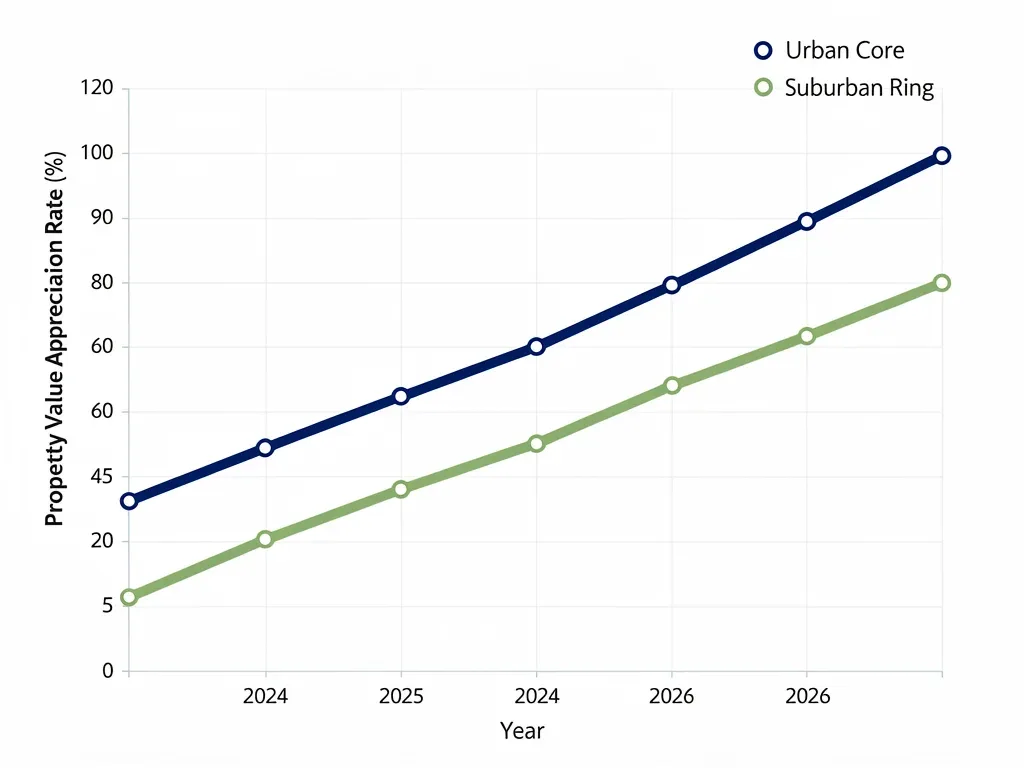
Urban real estate often promises higher potential for capital appreciation, driven by limited supply and strong demand from a dense population and robust job market. However, it also comes with higher entry costs, increased regulatory hurdles, and greater exposure to economic downturns. Suburban markets, conversely, typically offer lower entry prices, more stable rental yields, and a potentially larger pool of long-term tenants, albeit with generally slower appreciation.
Emerging Trends and Niche Markets
Within both urban and suburban landscapes, niche investment opportunities are emerging. In cities, the conversion of commercial properties to residential units, driven by reduced office demand, could offer unique prospects. In suburbs, the rise of build-to-rent communities and specialized senior living facilities presents distinct growth avenues. Identifying these specific trends can provide a competitive edge in the 2026 real estate market.
- Urban Redevelopment: Investors can find value in revitalizing older urban properties or converting commercial spaces.
- Suburban Growth Corridors: Areas experiencing significant population influx and infrastructure development offer strong long-term potential.
- Data-Driven Decisions: Utilizing advanced analytics to track migration patterns, job growth, and affordability metrics is crucial for informed investing.
Risk assessment involves not only economic factors but also demographic shifts and regulatory changes. Urban areas might face stricter rent control policies, while suburban areas could contend with zoning limitations. Diligence in research and a diversified portfolio will be key to success in 2026.
Future Outlook: Navigating the 2026 Real Estate Landscape
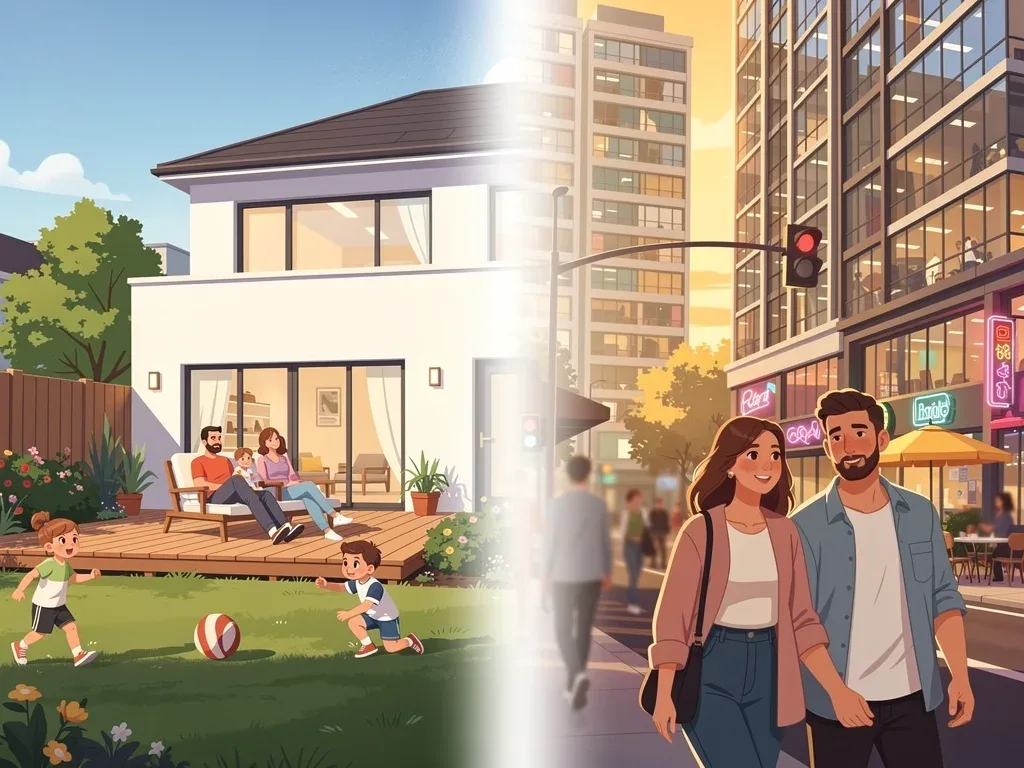
Looking ahead to the 2026 real estate market, it’s clear that both urban and suburban areas will continue to evolve, driven by a complex interplay of economic forces, demographic shifts, technological advancements, and changing lifestyle preferences. The notion of a single, monolithic real estate market is increasingly outdated; instead, we anticipate a landscape characterized by diverse micro-markets, each with its own unique trajectory.
Urban cores are likely to see continued revitalization, especially in cities that successfully adapt to hybrid work models by transforming commercial spaces and enhancing livability. Investment in public infrastructure, green spaces, and cultural attractions will be paramount for maintaining their appeal. Meanwhile, suburban areas are expected to sustain their growth, particularly those that can offer a blend of affordability, strong community amenities, and good connectivity to urban centers.
Key Trends to Monitor
Several key trends will shape the future outlook. The ongoing affordability crisis will continue to push buyers towards areas offering better value, often outside prime urban centers. Technological innovations, from smart home features to advanced construction techniques, will also influence property values and buyer expectations. Furthermore, environmental considerations and climate resilience will increasingly factor into location choices and development decisions.
- Affordability as a Driver: The relentless pursuit of affordable housing will continue to fuel suburban and exurban expansion.
- Technological Integration: Smart home technology and sustainable building practices will become standard, impacting property desirability.
- Climate Resilience: Locations less susceptible to climate risks or those investing in mitigation will gain an advantage.
Navigating this intricate landscape requires adaptability and a nuanced understanding of local dynamics. For homeowners, buyers, and investors alike, staying informed about these evolving trends will be crucial for making strategic decisions in the dynamic 2026 real estate market.
| Key Aspect | 2026 Outlook |
|---|---|
| Urban Growth Drivers | Revitalization of downtowns, tech job growth, cultural amenities, commercial-to-residential conversions. |
| Suburban Growth Drivers | Affordability, larger homes, family-friendly environments, hybrid work, improved local amenities. |
| Remote Work Impact | Sustained demand for larger suburban homes with dedicated workspaces; reduced daily urban commutes. |
| Investment Trends | Niche urban redevelopment, build-to-rent in suburbs, focus on sustainable and resilient properties. |
Frequently Asked Questions About the 2026 Real Estate Market
Will urban property values increase more than suburban values in 2026?▼It depends on the specific region. While some thriving urban centers may see strong appreciation due to job growth and limited inventory, many suburban areas, fueled by affordability and remote work, are also projected to experience significant growth. Local economic conditions and demand will be key differentiators.
How will interest rates affect the 2026 real estate market?▼Interest rates will remain a critical factor. Higher rates could temper buyer demand and affordability, particularly in higher-priced urban markets. Conversely, stable or lower rates might stimulate activity across both urban and suburban sectors, making homeownership more accessible for a broader range of buyers.
Is remote work still a major factor in real estate decisions for 2026?▼Yes, remote and hybrid work models continue to significantly influence real estate choices. The flexibility they offer allows many to prioritize space, affordability, and quality of life over proximity to a central office, sustaining demand for suburban homes and re-shaping urban living preferences.
What are the best investment opportunities in the 2026 real estate market?▼Investment opportunities in 2026 range from urban commercial-to-residential conversions and revitalized downtown properties to suburban build-to-rent communities and properties in growing exurban corridors. Diversification and thorough local market analysis are crucial for identifying the most promising ventures.
Will sustainability influence property values in 2026?▼Absolutely. Properties with sustainable features, energy efficiency, and those located in climate-resilient communities are increasingly attractive to buyers and investors. Both urban and suburban areas adopting green initiatives and smart city technologies are likely to see enhanced desirability and long-term value appreciation.
Conclusion
The 2026 real estate market promises a landscape of contrasts and convergences, where urban cores continue their adaptation and suburban areas solidify their appeal. The interplay of economic stability, evolving work patterns, demographic shifts, and a growing emphasis on quality of life will distinctly shape property growth across the United States. Success in this dynamic environment will hinge on an informed understanding of these trends, allowing both buyers and sellers to navigate the market with confidence and make strategic decisions that align with their long-term goals.