Real Estate Cycles: Preparing for the 2026 Market Correction
Advertisements
Understanding real estate cycles is crucial for investors and homeowners to navigate potential downturns and capitalize on opportunities, especially as we anticipate an 18-month market correction starting in 2026.
Are you ready for what’s next in the housing market?
Understanding Real Estate Cycles: Preparing for the Next 18-Month Market Correction in 2026
is not just a topic for seasoned investors; it’s a vital discussion for every homeowner, aspiring buyer, and industry professional.
The economic landscape is always shifting, and being prepared for a potential market correction can make all the difference.
Deciphering the Real Estate Cycle: An Overview
The real estate market, much like other economic sectors, operates in discernible cycles. These cycles are not random fluctuations but rather predictable patterns influenced by a confluence of economic, demographic, and political factors.
Recognizing these phases is the first step toward strategic planning and informed decision-making.
Each cycle typically comprises four main stages: recovery, expansion, hyper supply, and recession. Understanding where we are within this continuum is critical for anticipating future movements.
The duration and intensity of each phase can vary significantly, often influenced by external shocks or policy changes. Historically, these cycles have provided valuable insights, allowing astute observers to identify potential turning points long before they become apparent to the general public.
The four phases of the real estate cycle
- Recovery: Characterized by declining vacancies, stable rents, and a gradual increase in demand after a downturn. Investor confidence slowly returns.
- Expansion: Strong demand, rising rents, increasing property values, and new construction. This phase often sees significant capital inflows and heightened market activity.
- Hyper Supply: New construction outpaces demand, leading to rising vacancies and slowing rent growth. This is often a precursor to a market correction.
- Recession/Correction: Declining demand, falling rents, increasing vacancies, and decreasing property values. This phase purges excesses from the market.
By closely monitoring key indicators associated with each phase, participants in the real estate market can better position themselves. This includes everything from property acquisitions and dispositions to refinancing strategies and development projects. The ability to predict these shifts is a powerful tool for mitigating risks and maximizing returns.
Historical Precedents: Lessons from Past Corrections
Examining past real estate market corrections provides invaluable lessons for anticipating future trends.
The market has a rich history of boom-and-bust cycles, each leaving behind a trail of data and experiences that can guide our preparations for the next downturn.
From the Savings and Loan crisis of the late 1980s to the dot-com bubble burst in the early 2000s, and most notably, the 2008 financial crisis, each event had unique triggers but shared common underlying patterns.
The 2008 crisis, for instance, was largely fueled by subprime lending and speculative investment, leading to a dramatic collapse in housing values and a global economic recession. While the specifics of each correction differ, the fundamental drivers—excessive speculation, unsustainable debt levels, and shifts in monetary policy—often reappear in various forms.
Key takeaways from previous market downturns
- Overleveraging: Excessive borrowing, both by individuals and institutions, often creates vulnerabilities that amplify market corrections.
- Speculative Bubbles: Periods of rapid price appreciation driven by speculation rather than fundamental value are unsustainable and typically precede sharp declines.
- Interest Rate Hikes: Rising interest rates can significantly impact affordability and borrowing costs, often acting as a catalyst for market slowdowns.
- Regulatory Changes: Shifts in government policy or banking regulations can either inflate or deflate market conditions.
Learning from these historical episodes helps us recognize early warning signs and avoid repeating past mistakes. It underscores the importance of prudent financial management, diversification, and a realistic assessment of market conditions rather than succumbing to irrational exuberance. Understanding these patterns is fundamental to effective preparation.
Economic Indicators Signaling the 2026 Correction
Identifying the specific economic indicators that point towards an impending real estate market correction is crucial for proactive planning.
While no single indicator guarantees a downturn, a combination of several converging signals can provide a strong forecast for an event like the anticipated 2026 correction.
Monitoring these metrics allows investors and homeowners to adjust their strategies well in advance.
Key indicators include rising interest rates, which directly impact mortgage affordability and buyer demand. Another significant sign is increasing housing inventory, suggesting that supply is beginning to outstrip demand. Consumer confidence levels, inflation rates, and unemployment figures also play a pivotal role in shaping the real estate landscape.
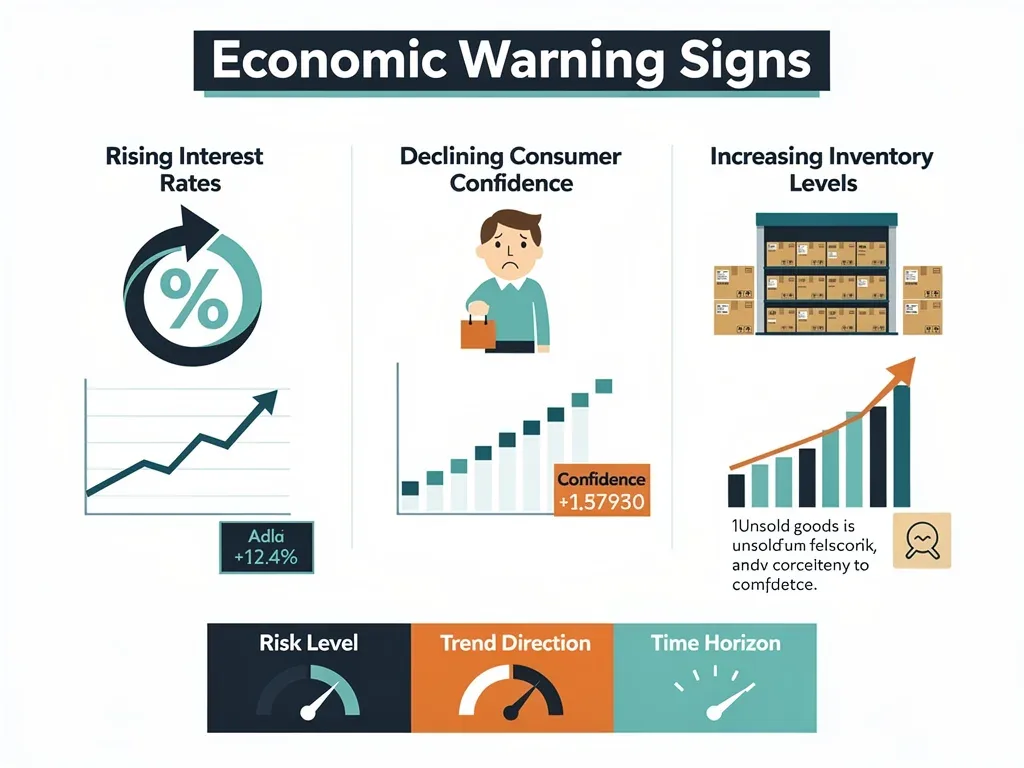
Critical metrics to watch
- Interest Rates: Sustained increases in benchmark interest rates make borrowing more expensive, cooling demand and reducing purchasing power.
- Housing Inventory: A consistent rise in the number of available homes on the market indicates a shift from a seller’s market to a buyer’s market, often leading to price adjustments.
- Affordability Index: When housing prices grow much faster than median incomes, homes become less affordable, eventually pricing out potential buyers.
- Job Growth and Unemployment: A weakening job market or rising unemployment can reduce household incomes and increase mortgage defaults, impacting housing stability.
- Consumer Confidence: A decline in consumer sentiment about the economy often translates to reduced spending and investment, including in real estate.
These indicators, when analyzed in conjunction, paint a clearer picture of the market’s health and trajectory. For instance, a period of sustained high inflation followed by aggressive interest rate hikes has historically been a strong precursor to economic slowdowns, affecting real estate valuations. Keeping a close eye on these economic barometers is essential for anyone looking to navigate the market successfully.
Strategic Preparation: Safeguarding Your Real Estate Investments
Proactive strategic preparation is paramount for safeguarding your real estate investments against an anticipated market correction.
Waiting until the downturn is evident often leaves limited options for effective mitigation.
The goal is to build resilience into your portfolio and personal finances, ensuring that you can weather the storm and emerge stronger on the other side. This involves a multi-faceted approach, focusing on financial stability, portfolio diversification, and market-specific adjustments.
For homeowners, this might mean paying down high-interest debt, building emergency savings, or even considering refinancing to a more stable mortgage product. For investors, it involves stress-testing portfolios, evaluating property performance, and potentially rebalancing assets to reduce exposure to high-risk areas or property types.
Key strategies for resilience
- Build a Strong Financial Buffer: Accumulate significant emergency savings to cover mortgage payments and other expenses during potential periods of reduced income or property vacancy.
- Reduce Debt: Prioritize paying down high-interest debts, especially those tied to real estate, to lower your financial obligations and increase flexibility.
- Diversify Your Portfolio: Don’t put all your eggs in one basket. Consider diversifying your real estate holdings across different property types or geographic locations, or even integrating other asset classes.
- Evaluate Cash Flow: Ensure your investment properties generate positive cash flow, even under slightly adverse market conditions, to avoid being reliant on property appreciation.
- Maintain Property Value: Invest in property maintenance and upgrades to keep your assets attractive and competitive, even in a softer market.
By implementing these strategies, individuals and investors can significantly reduce their vulnerability to market fluctuations. It’s about being prepared, not panicking, and making informed decisions that align with long-term financial goals, irrespective of short-term market volatility. This disciplined approach is the hallmark of successful real estate navigation.
Navigating Opportunities During a Downturn
While a market correction often brings challenges, it also presents unique opportunities for those prepared to act strategically.
Downturns are not merely periods of loss but can be significant windows for acquiring assets at reduced prices, expanding portfolios, or entering markets that were previously inaccessible.
The key is to differentiate between genuine opportunities and speculative risks, focusing on long-term value and sound investment principles.
During a correction, distressed properties may become available, offering significant discounts. This can be an opportune time for investors with available capital and a clear strategy to expand their holdings. Additionally, a slowdown can allow for more thorough due diligence and negotiation, as competitive pressures often ease. It’s about being patient, disciplined, and having a well-defined investment thesis.

Capitalizing on market shifts
- Identify Undervalued Assets: Research markets and specific properties that may be undervalued due to widespread panic or forced sales, focusing on strong fundamentals.
- Secure Favorable Financing: Interest rates may decline during a recession as central banks try to stimulate the economy, offering cheaper borrowing opportunities for savvy investors.
- Focus on Long-Term Growth: Look beyond immediate market conditions to properties with strong long-term growth potential due to demographic shifts, infrastructure development, or economic diversification.
- Negotiate Aggressively: A buyer’s market provides greater leverage for negotiating lower prices, better terms, and additional concessions from sellers.
- Consider Counter-Cyclical Investments: Explore property types that tend to perform better during economic downturns, such as affordable housing or certain commercial sectors.
Successful navigation of a market downturn requires a combination of foresight, financial readiness, and a willingness to act when others are hesitant. It’s not about predicting the exact bottom, but rather about recognizing when market conditions favor prudent acquisitions. By focusing on intrinsic value and long-term potential, investors can transform a market correction into a period of significant growth for their portfolios.
Long-Term Outlook: Post-Correction Recovery and Growth
Understanding that real estate cycles are, by nature, cyclical, provides comfort and strategic direction when contemplating the long-term outlook beyond an anticipated correction.
Just as markets experience downturns, they invariably enter periods of recovery and subsequent growth.
The post-correction phase is often characterized by renewed investor confidence, increased demand, and a gradual appreciation in property values, albeit usually at a more sustainable pace than during peak exuberance.
Government policies, demographic shifts, and technological advancements will continue to shape the recovery trajectory. For instance, infrastructure projects can revitalize specific regions, while evolving work patterns might redefine demand for certain property types. Patience and a long-term perspective are key to benefiting from these overarching trends.
Factors driving future real estate growth
- Population Growth and Demographics: Continuous population growth and evolving household formations underpin long-term housing demand, especially in growing urban centers.
- Economic Resilience: The inherent resilience of the U.S. economy, coupled with innovation and job creation, supports a sustained demand for both residential and commercial properties.
- Technological Advancements: Innovations in construction, smart home technology, and real estate management can enhance property values and operational efficiencies.
- Infrastructure Development: Investments in transportation, utilities, and public amenities can significantly boost property values and attract new residents and businesses.
- Adaptive Reuse and Urban Renewal: The transformation of older properties and revitalization of urban areas will create new opportunities and drive demand in previously overlooked locations.
The periods following a market correction often lay the groundwork for the next expansionary phase. Those who maintain their investments, or strategically acquire new ones during the downturn, are typically best positioned to reap the rewards of the subsequent recovery. It’s a testament to the enduring value of real estate as a long-term asset class, despite its cyclical nature.
| Key Point | Brief Description |
|---|---|
| Cycle Recognition | Identifying the four phases (recovery, expansion, hyper supply, recession) is crucial for anticipating market shifts. |
| Warning Signs | Monitor indicators like rising interest rates, increasing inventory, and declining affordability. |
| Proactive Preparation | Strengthen finances, diversify investments, and ensure positive cash flow to build resilience. |
| Opportunity in Downturns | Corrections offer chances to acquire undervalued assets and expand portfolios strategically. |
Frequently Asked Questions About Real Estate Corrections
What causes a real estate market correction?▼Market corrections are typically caused by a combination of factors including rising interest rates, oversupply of housing, economic slowdowns, tightening lending standards, and decreasing consumer confidence. These elements collectively reduce buyer demand and increase seller pressure, leading to price adjustments across the market.
How long do real estate corrections typically last?▼The duration of a real estate correction can vary significantly based on its underlying causes and economic context. Historically, corrections can range from a few months to several years. The anticipated 2026 correction is projected to last around 18 months, reflecting a moderate adjustment rather than a prolonged recession.
Should I sell my property before a predicted correction?▼The decision to sell before a predicted correction depends heavily on individual financial goals and circumstances. If you need to sell soon, it might be prudent to do so while the market is still strong. However, for long-term investors, holding onto well-performing assets and focusing on cash flow often proves more beneficial than trying to time the market.
What are the best strategies for investors during a downturn?▼During a downturn, investors should focus on strengthening their financial position, identifying undervalued assets, and negotiating favorable terms. Diversifying portfolios, ensuring strong cash flow from existing properties, and exploring counter-cyclical investments like affordable housing can also be highly effective strategies.
How can homeowners prepare for a market correction?▼Homeowners can prepare by building a substantial emergency fund, reducing high-interest debt, and ensuring their mortgage payments are manageable. Maintaining property value through regular upkeep and considering refinancing to a fixed-rate mortgage can also provide financial stability during turbulent market periods.
Conclusion
The real estate market is undeniably dynamic, characterized by cyclical patterns that, while sometimes unsettling, are also predictable to a degree.
Understanding Real Estate Cycles: Preparing for the Next 18-Month Market Correction in 2026
is not about fear-mongering, but about empowering individuals and investors with the knowledge and strategies to navigate future shifts successfully.
By recognizing the phases of the cycle, heeding historical lessons, and monitoring key economic indicators, we can proactively safeguard our investments and identify new opportunities.
The ability to adapt and strategize during both boom and bust periods is the hallmark of resilient real estate participation, ensuring long-term financial health and growth.
Preparation today paves the way for prosperity tomorrow.