Credit Card Perks: Stack for a Free Trip in 2026
Advertisements
Achieve a free trip by 2026 by strategically stacking credit card perks, leveraging sign-up bonuses, maximizing everyday spending, and understanding loyalty program intricacies for optimal travel rewards.
Dreaming of a getaway in 2026 without the burden of airfare or hotel costs? This isn’t just wishful thinking; it’s an achievable goal with the right strategy. By understanding how to stack credit card perks, you can transform your everyday spending into extraordinary travel experiences. This guide provides expert insights and insider knowledge to help you navigate the world of credit card rewards, ensuring your dream vacation becomes a reality.
Understanding the fundamentals of credit card rewards
Before diving into advanced stacking techniques, it’s crucial to grasp the basic types of credit card rewards. These are the building blocks of your free travel strategy. Each type offers distinct advantages, and a successful stacking plan often involves combining several for maximum impact.
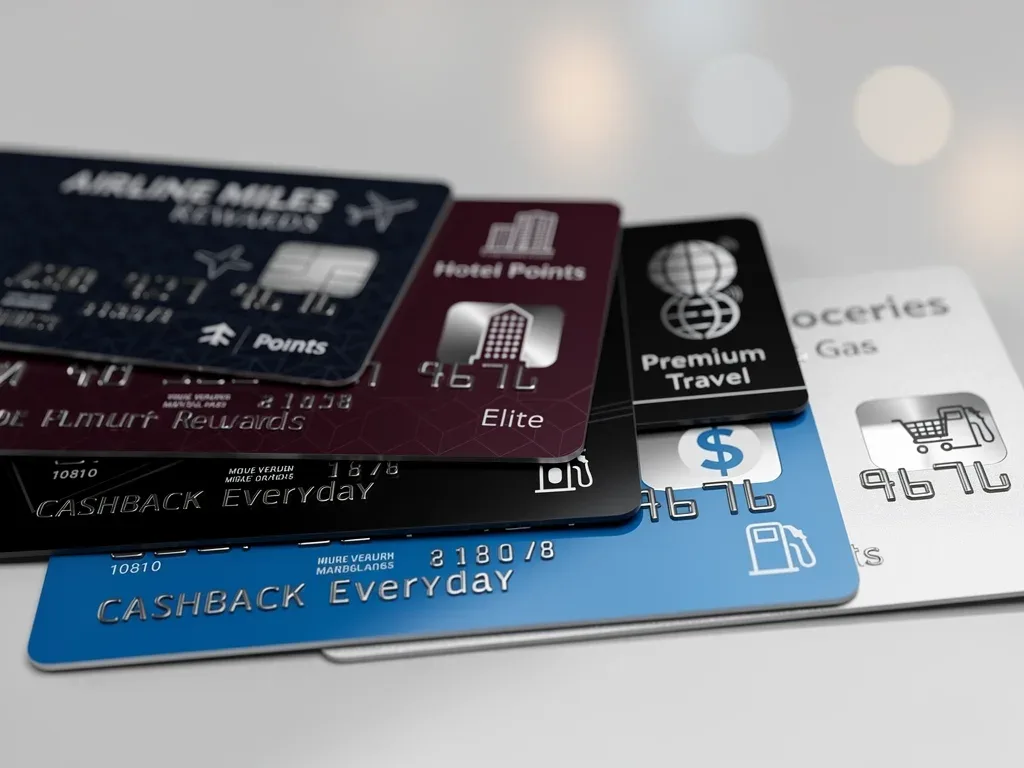
The landscape of credit card rewards primarily revolves around points, miles, and cashback. While seemingly straightforward, the true value lies in how flexibly these can be redeemed. Some cards offer proprietary points redeemable only within their ecosystem, while others provide transferable points that can be converted to various airline or hotel loyalty programs.
Points vs. miles vs. cashback: what’s the difference?
- Points: Often offered by general travel cards, these are versatile. They can be redeemed for travel bookings through the card issuer’s portal, transferred to partner loyalty programs, or sometimes even for statement credits. Their flexibility is a key advantage for stacking.
- Miles: Typically associated with airline co-branded credit cards, miles are directly deposited into a specific airline’s frequent flyer program. While they might seem less flexible, they can offer outsized value for specific flight redemptions, especially for international travel or premium cabins.
- Cashback: While not directly travel-focused, cashback can be a powerful tool for funding travel. The money saved can be used to cover taxes and fees on award travel, or to purchase flights and hotels when points redemptions aren’t optimal.
Understanding these fundamental distinctions is the first step towards building a robust strategy. Your choice of card should align with your spending habits and travel aspirations. For instance, if you frequently fly with a particular airline, a co-branded card might be more beneficial than a general travel card for accumulating miles.
In essence, the foundation of a successful credit card perk stacking strategy begins with a clear understanding of what each reward type offers and how it can contribute to your ultimate goal of a free trip. This knowledge empowers you to make informed decisions about which cards to acquire and how to utilize them effectively.
Strategic card acquisition: selecting the right combination
Acquiring credit cards isn’t just about collecting plastic; it’s a strategic move that dictates the speed and efficiency of your reward accumulation. The goal is to build a portfolio of cards that complement each other, maximizing bonuses and earning rates across different spending categories. This requires careful planning and a deep understanding of each card’s offerings.
Many successful travel hackers employ a ‘churning’ strategy, which involves opening new credit cards to earn lucrative sign-up bonuses, meeting the spending requirements, and then potentially closing or downgrading the card after a year to avoid annual fees, only to repeat the process with a different card. However, this approach requires discipline and excellent credit management.
Maximizing sign-up bonuses for accelerated rewards
- High-value bonuses: Focus on cards offering substantial sign-up bonuses, often ranging from 50,000 to 100,000 points or miles. These bonuses are the quickest way to jumpstart your travel fund.
- Spending requirements: Be realistic about meeting minimum spending requirements. Never overspend just to earn a bonus; integrate it into your regular budget.
- Timing applications: Apply for cards strategically, considering factors like the 5/24 rule from Chase or similar restrictions from other issuers. Spacing out applications can help maintain your credit score and approval odds.
Beyond sign-up bonuses, consider the ongoing earning potential of each card. Some cards offer elevated rewards for specific spending categories like dining, groceries, or travel. A diversified portfolio ensures you’re earning maximum rewards on all your expenses.
The optimal combination typically involves a mix of cards: a strong transferable points card, an airline co-branded card for specific flight redemptions, and perhaps a hotel co-branded card for accommodation. By carefully selecting and managing these cards, you create a powerful engine for accumulating rewards towards your free trip in 2026.
Optimizing everyday spending for maximum points
Once you have your chosen credit card portfolio, the next critical step is to optimize your everyday spending. This means consciously using the right card for the right purchase to maximize the points or miles earned. It’s not about spending more, but spending smarter.
This optimization involves understanding bonus categories and utilizing them effectively. Many credit cards offer accelerated earning rates (e.g., 2x, 3x, or even 5x points per dollar) on specific types of purchases, such as dining, groceries, gas, or travel. Ignoring these categories is akin to leaving money on the table.
Leveraging bonus categories and rotating offers
- Category-specific cards: Use cards that offer bonus points on categories where you spend the most. For example, a card offering 4x points on groceries should be your go-to for supermarket runs.
- Rotating bonus categories: Some cards, like those from Chase Freedom or Discover It, feature rotating bonus categories that change quarterly, offering 5% cashback or 5x points on specific spending. Align your purchases with these categories when active.
- Portal shopping: Always check if your card issuer or a shopping portal offers additional points for online purchases. These portals often provide extra points per dollar spent at participating retailers.
Another powerful strategy is to pay for everything possible with a credit card, provided you can pay off the balance in full each month to avoid interest charges. This includes utility bills, insurance premiums, and even rent if there’s a low processing fee. Every dollar spent is an opportunity to earn rewards.
By meticulously allocating your spending to the cards that offer the highest return in each category, you significantly accelerate your accumulation of points and miles. This disciplined approach to everyday spending is a cornerstone of successfully stacking credit card perks for a free trip.
Unlocking advanced stacking techniques and loyalty programs
Beyond the basics of card acquisition and optimized spending, true experts delve into advanced stacking techniques and the intricacies of loyalty programs. This is where the insider knowledge truly comes into play, allowing you to multiply your rewards and unlock premium travel experiences that might otherwise be out of reach.
One powerful method is combining points from different loyalty programs. Many credit card reward programs allow you to transfer points to various airline or hotel partners. This flexibility means you’re not tied to a single program and can leverage transfer bonuses to get even more value from your points.
Transferring points and exploiting transfer bonuses
- Strategic transfers: Identify airline or hotel partners that offer better redemption rates for your desired travel. Research how many points are required for your target flights or nights before initiating a transfer.
- Transfer bonuses: Keep an eye out for limited-time transfer bonuses, where credit card issuers offer an additional percentage of points when you transfer them to a specific partner. These can effectively increase the value of your points by 20-50%.
- Pooling points: If permitted by the program, consider pooling points with family members to reach redemption thresholds faster. This is particularly useful for large award bookings.
Another advanced technique involves utilizing credit card benefits beyond just points earning. Many premium travel credit cards offer a suite of perks such as annual travel credits, lounge access, free checked bags, elite status benefits with hotels or airlines, and even Global Entry/TSA PreCheck fee reimbursements. These benefits, when used strategically, can significantly reduce out-of-pocket travel expenses and enhance your travel experience.
The key to advanced stacking is continuous research and adaptation. Loyalty programs and credit card offers evolve, so staying informed about new partnerships, devaluation of points, and promotional offers is crucial. This proactive approach ensures you’re always maximizing your earning and redemption potential.
Leveraging travel portals and booking strategies
Once you’ve accumulated a substantial amount of points and miles, the next hurdle is effectively redeeming them for your free trip. This involves navigating various travel portals and employing smart booking strategies to get the most value out of your hard-earned rewards. Not all redemption options are created equal, and choosing wisely can make a significant difference in your travel savings.
Credit card issuers often have their own travel portals where you can book flights, hotels, and rental cars using your points. While convenient, the value per point can vary. Sometimes, transferring points to a partner airline or hotel loyalty program yields a much higher redemption value, especially for premium travel.
Maximizing redemption value through strategic booking
- Compare redemption options: Always compare the cost of a flight or hotel in cash versus the points required through the credit card portal and through partner loyalty programs. Use tools like AwardHacker or Point.me to find the best redemption rates.
- Flexibility is key: Being flexible with your travel dates and destinations can unlock significantly cheaper award availability. Off-peak travel or less popular routes often require fewer points.
- Booking in advance: For popular routes and premium cabins, award space can be limited. Booking as far in advance as possible (often 11-12 months out) increases your chances of securing your desired travel.
Consider the ‘sweet spots’ within loyalty programs – specific routes or hotel categories where points offer exceptional value. These often involve flying internationally on partner airlines or staying at high-end hotels during off-peak seasons. Identifying and targeting these sweet spots is a hallmark of an expert travel hacker.
Furthermore, don’t overlook the power of combining points with cash. Sometimes, a ‘points + cash’ option can be a cost-effective way to book travel when you don’t have enough points for a full redemption, or when the full points redemption offers poor value. This hybrid approach adds another layer of flexibility to your booking strategy.
By diligently comparing redemption options, being flexible, and understanding the nuances of various loyalty programs, you can ensure that every point you’ve stacked contributes meaningfully to your free trip in 2026.

Managing your credit and staying organized
While the allure of free travel is strong, responsible credit management is paramount. Stacking credit card perks effectively requires discipline, organization, and a clear understanding of how your actions impact your credit score. A free trip isn’t worth jeopardizing your financial health.
Maintaining a good credit score is essential for being approved for new credit cards with attractive sign-up bonuses. Late payments, high credit utilization, or too many new accounts in a short period can negatively affect your score, making it harder to acquire the cards you need for your stacking strategy.
Best practices for responsible credit management
- Pay bills on time: This is the single most important factor for your credit score. Set up automatic payments or reminders to ensure you never miss a due date.
- Keep utilization low: Aim to keep your credit utilization (the amount of credit you’re using compared to your total available credit) below 30%, ideally even lower. This demonstrates responsible credit behavior.
- Monitor your credit score: Regularly check your credit score and credit report for any inaccuracies or fraudulent activity. Free tools are available through various services and credit card issuers.
Organization is another key component. With multiple credit cards, each with different earning rates, bonus categories, and statement closing dates, it’s easy to lose track. Utilize spreadsheets, budgeting apps, or dedicated credit card management tools to keep everything in order.
Track your spending on each card, monitor progress towards minimum spending requirements for sign-up bonuses, and keep a record of your points and miles balances across different programs. This meticulous approach prevents missed opportunities and ensures you’re always on track for your 2026 travel goals.
Ultimately, a successful strategy to stack credit card perks is built on a foundation of responsible credit habits and diligent organization. These practices not only facilitate your journey to free travel but also contribute to your overall financial well-being.
Planning your 2026 free trip: putting it all together
With a solid understanding of credit card rewards, a strategically acquired card portfolio, optimized spending habits, and responsible credit management, you’re now ready to bring your 2026 free trip into focus. This final stage involves consolidating your points, identifying your dream destination, and executing your travel plans.
The journey to a free trip isn’t just about accumulating points; it’s about the excitement of planning and the satisfaction of seeing your efforts materialize. Start by defining your ideal travel experience. Do you envision a luxurious international getaway, a relaxing domestic beach vacation, or an adventurous exploration of national parks?
Executing your free travel plan
- Define your destination and dates: Having a clear target helps you focus your points accumulation and redemption efforts. Research peak and off-peak seasons for your chosen destination to optimize award availability.
- Consolidate and transfer points: Once you have a target, consolidate your transferable points and transfer them to the most advantageous airline or hotel loyalty program. Remember to look for transfer bonuses.
- Book strategically: Utilize the booking strategies discussed earlier, comparing cash vs. points, being flexible, and booking in advance, especially for high-demand travel.
Don’t forget to account for incidental expenses that might not be covered by points, such as local transportation, activities, and some meals. While the main components of your trip can be free, having a small budget for these extras will ensure a smooth and enjoyable experience.
Consider adding travel insurance, especially for international trips, as credit card travel protections may not cover all eventualities. Some premium credit cards offer comprehensive travel insurance as a benefit, so check your card’s terms and conditions.
By diligently following these steps and maintaining your strategic approach, your dream of a free trip in 2026 is not only attainable but will be a testament to your shrewd use of credit card perks. Enjoy the journey, both in planning and in experiencing your well-earned vacation!
| Key Strategy | Brief Description |
|---|---|
| Understand Reward Types | Differentiate between points, miles, and cashback to align with travel goals. |
| Strategic Card Acquisition | Select cards with high sign-up bonuses and complementary earning categories. |
| Optimize Spending | Use the right card for each purchase to maximize bonus category earnings. |
| Leverage Loyalty Programs | Exploit point transfers, bonuses, and elite status for enhanced travel value. |
Frequently asked questions about stacking credit card perks
Is it possible to really get a free trip just by using credit cards?▼Yes, absolutely. By strategically acquiring credit cards for their sign-up bonuses, optimizing everyday spending for maximum rewards, and understanding loyalty program intricacies, many individuals successfully fund entire trips using points and miles, often covering flights and hotels.
How many credit cards should I have to effectively stack perks?▼There’s no magic number, but a portfolio of 3-5 strategically chosen cards is often ideal. This allows you to cover various spending categories for bonus points and access diverse loyalty programs without becoming overly complicated to manage, ensuring efficient perk stacking.
Will opening multiple credit cards hurt my credit score?▼Opening multiple cards can temporarily lower your score due to hard inquiries and a younger average account age. However, responsible management—paying on time, keeping utilization low—typically leads to a stronger score over time as available credit increases and payment history lengthens.
What are the best types of points to accumulate for travel?▼Transferable points programs like Chase Ultimate Rewards, American Express Membership Rewards, and Citi ThankYou Points are often considered the best. Their flexibility allows you to convert points to various airline and hotel partners, offering more redemption options and often better value than fixed-value points or cashback.
How far in advance should I start planning for a free trip in 2026?▼Starting now is ideal. A 2-3 year timeframe allows ample opportunity to earn significant sign-up bonuses, optimize spending, and accumulate enough points for a substantial free trip. Early planning also provides flexibility to book award travel far in advance, securing better availability and rates.
Conclusion
Embarking on the journey to a free trip in 2026 by expertly stacking credit card perks is more than just a financial strategy; it’s a testament to smart planning and disciplined execution. From understanding the nuances of various reward types to strategically acquiring cards, optimizing every dollar spent, and navigating the complexities of loyalty programs, each step brings you closer to your travel aspirations. Remember, responsible credit management is the bedrock of this endeavor, ensuring that your pursuit of free travel enhances, rather than detracts from, your financial well-being. With the insider knowledge shared, your dream vacation is within reach, proving that with the right approach, credit card perks can indeed unlock a world of travel possibilities.