2026 US Economic Stimulus: Impact on Consumer Credit in 3 Months
Advertisements
The 2026 US economic stimulus package is poised to reshape consumer credit behavior within three months, potentially boosting spending, altering debt levels, and influencing credit scores nationwide.
The economic landscape of the United States is constantly evolving, with policy decisions often acting as significant catalysts for change. As we look towards the horizon of 2026, anticipation is building around a potential new economic stimulus package. Understanding how the upcoming 2026 US economic stimulus package could impact consumer credit behavior in 3 months is crucial for individuals, businesses, and policymakers alike. This article delves into the multifaceted effects such a package could have on your financial life, from spending habits to credit scores.
Understanding the Mechanics of Economic Stimulus
An economic stimulus package is a collection of government measures designed to stimulate a struggling economy. These measures typically involve increasing government spending, reducing taxes, or a combination of both. The primary goal is to boost demand, encourage investment, and ultimately, foster economic growth. However, the precise design of a stimulus package can significantly influence its impact on various sectors, including consumer credit.
Historically, stimulus packages have taken diverse forms, from direct payments to households to infrastructure projects and business tax credits. Each approach has distinct channels through which it can affect consumer behavior. For instance, direct cash injections tend to have a more immediate and direct impact on individual spending and debt repayment capacity.
Direct Payments and Consumer Spending
One of the most common and visible components of a stimulus package is direct payments to citizens. These funds can be used by consumers in several ways, each with implications for credit markets.
- Increased immediate spending: A portion of stimulus checks often goes towards essential goods and services, boosting retail sales and potentially reducing reliance on credit for daily necessities.
- Debt reduction: Many consumers prioritize using stimulus funds to pay down existing debts, such as credit card debt or personal loans, which can improve their credit utilization ratios.
- Savings and investment: Some households may opt to save or invest the funds, leading to a more stable financial footing over time, indirectly influencing their need for credit.
The immediate influx of cash can provide a temporary buffer, allowing consumers to catch up on overdue payments or reduce high-interest debt. This can lead to a short-term improvement in credit scores as utilization drops and payment histories become more consistent. However, the longevity of these effects depends on the sustainability of the stimulus and underlying economic conditions.
The design of the 2026 package — whether it focuses on direct aid, tax breaks, or other interventions — will dictate the initial ripple effects. A package heavily weighted towards direct consumer aid is likely to show a more immediate shift in credit behavior within the first three months, as individuals react to increased liquidity.
Initial Impact on Credit Utilization and Debt Levels
Within the first three months of a significant economic stimulus, one of the most observable shifts in consumer credit behavior is often related to credit utilization and overall debt levels. When consumers receive additional funds, their immediate financial priorities come into sharp focus, often leading to a targeted approach in managing their existing credit obligations.
For many, the first instinct is to address outstanding high-interest debts. Credit card balances, which often carry high annual percentage rates (APRs), are frequently prioritized for repayment. This strategic debt reduction can swiftly lower an individual’s credit utilization ratio, a key factor in calculating credit scores. A lower utilization ratio generally signals lower risk to lenders, potentially leading to improved credit scores.

Changes in Revolving Credit Balances
Revolving credit, primarily credit cards, is highly sensitive to changes in consumer liquidity. A stimulus package can significantly influence these balances.
- Decreased balances: Many consumers will use stimulus funds to pay down credit card debt, leading to an overall decrease in outstanding balances across the population.
- Increased available credit: As balances decrease, the amount of available credit increases, providing consumers with more financial flexibility.
- Reduced interest payments: Lower balances mean less interest accrues, freeing up more disposable income for future spending or savings.
This immediate reduction in revolving debt can be a powerful driver of positive credit score movement. Lenders view lower credit utilization as a sign of responsible financial management, which can make consumers more attractive for new credit offerings or better terms on existing loans.
Impact on Installment Loan Payments
While revolving credit often sees the most immediate impact, installment loans (such as auto loans or personal loans) can also be affected. Consumers facing financial strain might use stimulus funds to catch up on missed payments or even make additional principal payments.
This proactive approach to installment loan management can prevent delinquencies and defaults, which are highly detrimental to credit scores. Even if no payments were missed, making extra payments can reduce the total interest paid over the life of the loan and accelerate the path to becoming debt-free, further strengthening a consumer’s financial profile. The cumulative effect of these actions within a three-month window can lead to a noticeable strengthening of the average consumer’s credit standing.
Shifts in Consumer Spending Patterns and New Credit Applications
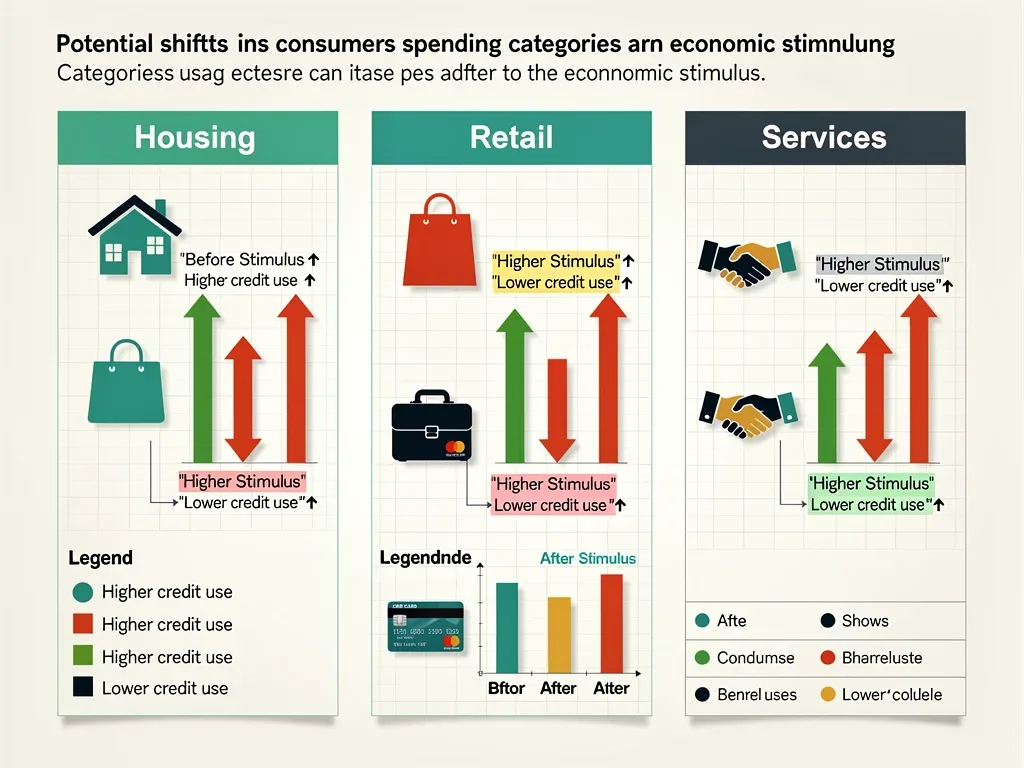
Beyond debt reduction, a 2026 economic stimulus package is expected to instigate significant shifts in how consumers spend their money and approach new credit applications. The infusion of capital can alter both immediate purchasing power and long-term financial planning. Within the initial three months, we might observe a surge in certain spending categories and a cautious yet evolving approach to acquiring new credit.
When consumers feel more secure financially, they are often more willing to make discretionary purchases. This could mean an uptick in spending on non-essential goods and services, such as dining out, entertainment, travel, or home improvements. Businesses in these sectors could see a welcome boost, potentially leading to job creation and further economic momentum.
Boost in Discretionary Spending
Stimulus funds can unlock deferred purchases and stimulate economic activity in various sectors.
- Retail sales increase: Non-essential retail, including electronics, apparel, and specialized goods, often experiences a noticeable increase in sales.
- Service sector revival: Industries like hospitality, tourism, and personal services can see a recovery as consumers feel more comfortable spending on experiences.
- Home improvement projects: Many homeowners utilize extra funds for renovations or upgrades, benefiting the construction and home goods industries.
This increased spending, while positive for the economy, also has credit implications. Some consumers might use credit cards for larger purchases, intending to pay them off with stimulus funds or future income. This could temporarily increase credit utilization before a subsequent paydown. However, if the stimulus is significant, it might reduce the immediate need for new credit, as purchases can be made with cash.
Evolving Landscape for New Credit Applications
The availability of stimulus funds can influence consumer decisions regarding applying for new credit. For some, the enhanced financial stability might reduce the immediate need for new loans, while for others, it could open doors to more ambitious financial goals.
Within the first three months, we might see a divergence in credit application behavior. Consumers who successfully paid down debt might feel more confident applying for larger loans, such as mortgages or auto loans, especially if they perceive favorable interest rates. Conversely, individuals who were previously relying on credit for everyday expenses might find themselves less dependent on it, leading to a temporary dip in new credit card applications.
Lenders will also be closely watching these trends. A healthier consumer credit landscape, marked by lower defaults and improved credit scores, could encourage them to loosen lending standards or offer more attractive terms, further stimulating credit market activity. The balance between increased spending and prudent credit management will be a critical dynamic to observe.
The Interplay Between Stimulus, Interest Rates, and Lending Standards
The impact of the 2026 US economic stimulus package on consumer credit behavior is not solely a function of direct funds; it’s also deeply intertwined with broader macroeconomic factors like interest rates and the lending standards adopted by financial institutions. These elements can significantly amplify or temper the effects of the stimulus, shaping the credit environment for millions of Americans within the critical three-month window.
Central banks often react to economic stimuli, which can influence prevailing interest rates. If the stimulus is perceived as inflationary, the Federal Reserve might consider raising rates to cool the economy. Conversely, if the economy remains sluggish despite the stimulus, rates might stay low to encourage borrowing and investment. These interest rate decisions directly affect the cost of borrowing for consumers, from credit card APRs to mortgage rates.
Interest Rate Dynamics and Borrowing Costs
The trajectory of interest rates following a stimulus package is a critical determinant of consumer credit behavior.
- Higher rates: If interest rates rise, borrowing becomes more expensive, potentially discouraging new loan applications and making existing variable-rate debt more burdensome.
- Lower rates: Conversely, sustained low rates can incentivize borrowing for larger purchases like homes or cars, as well as for debt consolidation.
- Impact on credit card APRs: Credit card interest rates are often tied to the prime rate, which is influenced by the federal funds rate. Changes here directly affect the cost of carrying a balance.
Consumers will be keenly aware of these rate movements. A stimulus package that coincides with rising rates might see consumers prioritize debt repayment over new borrowing, even with additional funds. If rates remain low, the stimulus could fuel a wave of new credit applications, especially for large-ticket items.
Lender Response and Credit Accessibility
Financial institutions play a pivotal role in the credit ecosystem. Their lending standards—how easy or difficult it is to get a loan—are responsive to economic conditions and government policies.
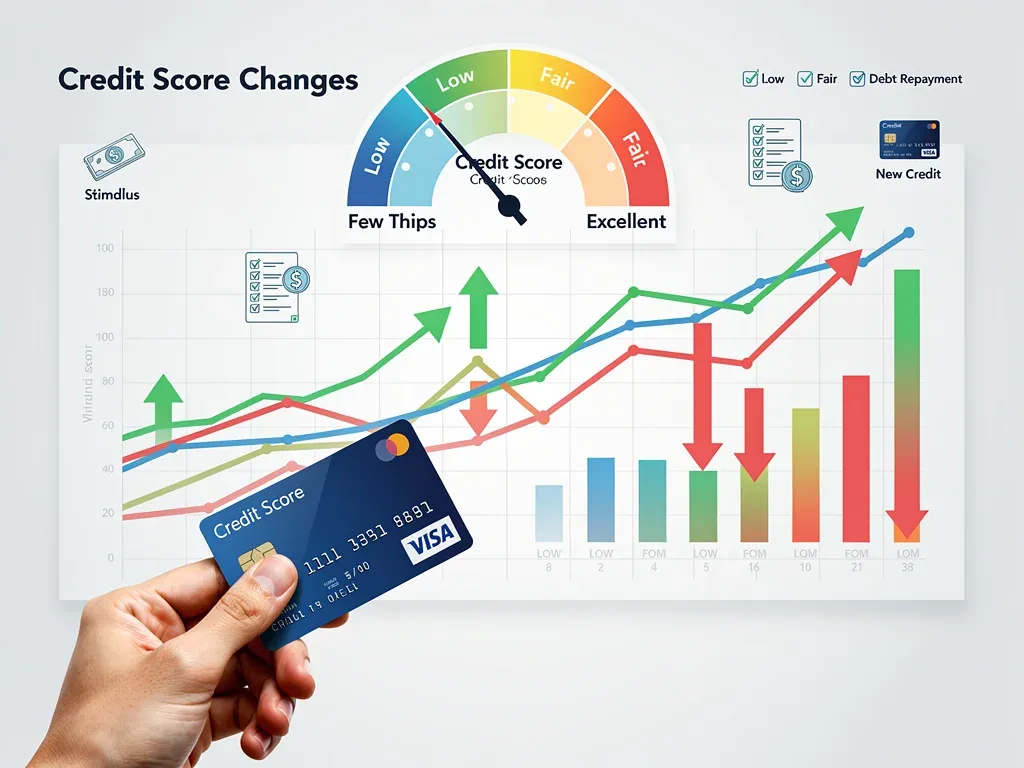

Following a stimulus, lenders will assess the overall health of the consumer base. If the stimulus successfully reduces defaults and improves credit scores, banks might become more willing to lend. This could manifest as:
- Relaxed underwriting criteria: Lenders might slightly loosen income or credit score requirements for certain loan products.
- Increased credit limits: Existing customers with improved credit profiles might see their credit limits increased without solicitation.
- New product offerings: Banks might introduce new credit products designed to meet evolving consumer needs or capitalize on improved economic sentiment.
However, if the stimulus leads to concerns about future inflation or asset bubbles, lenders might become more cautious, tightening standards to mitigate risk. The interplay between stimulus, interest rates, and lender behavior will create a dynamic credit market environment, directly shaping consumer access to and use of credit in the immediate aftermath of the 2026 package.
Long-Term Repercussions and Behavioral Adaptation
While the immediate three-month impact of the 2026 US economic stimulus package on consumer credit behavior is significant, it’s equally important to consider how these short-term shifts could evolve into more sustained long-term repercussions and behavioral adaptations. The initial reaction to an economic injection often sets the stage for how consumers manage their finances in the subsequent months and years, potentially reshaping their relationship with credit permanently.
One of the key long-term effects could be a lasting change in consumer savings habits. If the stimulus provides a substantial financial cushion, some individuals might become more proactive in building emergency funds or investing for the future, thereby reducing their reliance on credit for unexpected expenses. This shift towards greater financial resilience could lead to a sustained decrease in revolving debt and a more responsible approach to credit utilization.
Sustained Changes in Debt Management
The initial debt reduction spurred by the stimulus can evolve into more disciplined debt management strategies.
- Lower credit utilization: Consumers who experience the benefits of reduced credit card debt may strive to maintain lower utilization ratios, understanding its positive impact on their credit scores.
- Fewer delinquencies: Improved financial stability can lead to a sustained reduction in late payments and defaults across various loan types.
- Increased financial literacy: The experience of managing stimulus funds might encourage some to seek out financial education, leading to better long-term budgeting and credit decisions.
These behavioral adaptations are not always guaranteed and often depend on the individual’s pre-existing financial habits and the broader economic environment. However, a successful stimulus can provide a unique opportunity for consumers to reset their financial trajectory.
Adaptation to New Credit Opportunities
As the credit market responds to the stimulus, consumers may also adapt to new opportunities or challenges. If lending standards become more favorable due to improved credit health, individuals might access credit for larger investments, such as starting a business or pursuing higher education, that were previously out of reach.
Conversely, if the stimulus leads to unexpected economic side effects, such as persistent inflation, consumers might adapt by becoming more cautious with their spending and borrowing, seeking to minimize debt burdens in an environment of rising costs. The long-term impact on credit behavior is therefore a complex interplay of individual choices, market responses, and ongoing economic conditions, all stemming from the initial catalyst of the 2026 stimulus package.
Potential Risks and Unintended Consequences for Credit Behavior
While an economic stimulus package aims to bolster the economy and improve financial well-being, it’s crucial to acknowledge the potential risks and unintended consequences that could arise, particularly for consumer credit behavior. A stimulus, especially one of significant scale, can sometimes create distortions or encourage behaviors that, while seemingly beneficial in the short term, may lead to challenges down the line. Understanding these risks within the three-month impact window is vital for a comprehensive outlook.
One significant risk is the potential for increased inflation. If the stimulus injects too much money into the economy without a corresponding increase in goods and services, prices can rise. This erosion of purchasing power means that while consumers may have more money, its real value diminishes, potentially leading them to rely more heavily on credit to maintain their lifestyle or cover essential expenses, thus counteracting the positive effects of debt reduction.
Inflationary Pressures and Credit Reliance
The relationship between stimulus, inflation, and credit use is delicate and complex.
- Erosion of purchasing power: Rising prices can force consumers to use credit for everyday necessities, negating any initial debt reduction from the stimulus.
- Higher interest rates: Central banks might raise interest rates to combat inflation, making credit more expensive and increasing the burden of existing variable-rate debt.
- Increased credit card balances: If wages don’t keep pace with inflation, consumers might accumulate new credit card debt faster than they can pay it off.
These factors can quickly reverse any positive credit score improvements seen in the immediate aftermath of the stimulus, leading to a cycle of increased debt and financial strain. Monitoring inflation closely in the months following the 2026 stimulus will be paramount.
Over-Indebtedness and Credit Bubble Concerns
Another concern is the possibility of consumers becoming over-indebted, particularly if the stimulus creates a false sense of long-term financial security. While initial debt repayment is positive, a sustained period of easy credit or an overly optimistic economic outlook could lead to excessive borrowing.
If consumers, encouraged by a temporary boost in funds or relaxed lending standards, take on more debt than they can sustainably manage, it could lead to an increase in delinquencies and defaults once the stimulus effects wane. This scenario could potentially create a credit bubble, where a large amount of unsustainable debt exists in the economy, posing risks to the stability of the financial system. Lenders and consumers alike must exercise caution and foresight to prevent such outcomes, ensuring that the stimulus fosters sustainable financial health rather than temporary exuberance.
Regional Variations and Demographic Disparities
The impact of the 2026 US economic stimulus package on consumer credit behavior is unlikely to be uniform across the entire nation. Regional variations and demographic disparities will play a crucial role in how different populations experience and react to the stimulus within the three-month timeframe. Economic conditions, industry concentrations, and socio-economic factors differ significantly from state to state and even city to city, leading to a mosaic of outcomes.
For instance, regions heavily reliant on industries that have been particularly hard-hit in recent years might see a more pronounced positive impact from stimulus funds, as these funds could provide much-needed relief and a chance for consumers to stabilize their finances. Conversely, areas with already robust economies might experience less dramatic shifts, with stimulus funds potentially being saved or invested rather than used to address immediate credit needs.
Geographical Differences in Stimulus Impact
The economic landscape varies widely across the US, influencing how stimulus funds are utilized.
- Struggling regions: Areas with higher unemployment or lower median incomes may see stimulus funds primarily used for essential spending and immediate debt reduction.
- Affluent regions: In wealthier areas, a larger portion of the stimulus might go into savings, investments, or discretionary luxury spending, with less direct impact on existing credit card debt.
- Industry-specific impacts: Regions dominated by specific industries, such as tourism or manufacturing, might experience unique credit behavior shifts depending on how the stimulus package targets those sectors.
These geographical nuances mean that while the national average might show a certain trend in credit behavior, localized data could reveal much different stories. Policymakers often try to tailor stimulus packages to address these regional needs, but achieving perfect equity is challenging.
Disparities Across Demographic Groups
Beyond geography, demographic factors such as income level, age, race, and ethnicity will also shape the credit impact of the 2026 stimulus. Different groups have varying levels of financial vulnerability and access to credit, which will influence their response.
- Low-income households: These households are more likely to use stimulus funds for essential expenses and to pay down high-interest debt, potentially leading to significant improvements in their credit profiles.
- Younger vs. older generations: Younger individuals, who may have less established credit or higher student loan debt, might use stimulus funds differently than older generations who are closer to retirement and may prioritize savings.
- Minority communities: Communities that have historically faced systemic economic disadvantages might experience a more profound positive impact from the stimulus, potentially helping to close credit access gaps.
Understanding these disparities is crucial for evaluating the overall effectiveness and equity of the stimulus package. The three-month window will provide initial insights into whether the package is successfully reaching and benefiting the most vulnerable populations, and how it’s influencing their credit behavior in a meaningful and sustainable way.
Preparing for the 2026 Stimulus: Advice for Consumers and Lenders
As the prospect of the 2026 US economic stimulus package approaches, both consumers and lenders have an opportunity to proactively prepare for its potential impacts on credit behavior. Strategic planning can help maximize the benefits of the stimulus while mitigating potential risks. Within the crucial three-month period following its implementation, informed decisions will be key to navigating the evolving financial landscape.
For consumers, understanding their current financial standing is the first step. This involves reviewing credit reports, assessing outstanding debts, and identifying areas where stimulus funds could provide the most significant advantage. Whether it’s paying down high-interest credit card debt, building an emergency fund, or investing for the future, a clear plan can prevent impulsive decisions that might not align with long-term financial goals.
Consumer Strategies for Optimizing Stimulus Benefits
Individuals can take several steps to make the most of any potential stimulus funds and improve their credit health.
- Prioritize high-interest debt: Using funds to pay down credit cards or high-APR personal loans can significantly reduce interest costs and improve credit utilization.
- Build an emergency fund: A financial cushion can reduce reliance on credit for unexpected expenses, fostering greater financial stability.
- Review credit reports: Regularly checking credit reports for errors and monitoring credit scores can help consumers understand their financial health and track improvements.
Avoiding unnecessary new debt and maintaining disciplined spending habits will be critical. Even with extra cash, it’s wise to stick to a budget and consider how any new purchases impact long-term financial goals. The stimulus should be viewed as an opportunity for financial advancement, not just temporary relief.
Lender Preparedness and Strategic Adjustments
Financial institutions also have a vital role in preparing for the stimulus. Adapting lending strategies and risk assessments will be crucial for maintaining a healthy credit market.
- Adjusting lending models: Lenders should refine their credit scoring models to account for potential shifts in consumer debt and payment behavior post-stimulus.
- Offering flexible products: Banks might consider introducing new loan products or adjusting terms to meet evolving consumer needs, such as debt consolidation loans with favorable rates.
- Enhanced customer support: Providing resources and advice to customers on how to best utilize stimulus funds can foster trust and encourage responsible financial choices.
By proactively analyzing economic indicators, anticipating consumer responses, and adapting their offerings, lenders can ensure they are well-positioned to support their customers and the broader economy. The collaboration between informed consumers and responsive lenders will determine the ultimate success of the 2026 stimulus in fostering a healthier and more resilient credit market.
| Key Impact Area | Brief Description of 3-Month Effect |
|---|---|
| Credit Utilization | Likely to decrease as consumers use stimulus funds to pay down revolving debt, potentially boosting credit scores. |
| Spending Patterns | Shift towards increased discretionary spending; some may reduce reliance on credit for daily needs. |
| New Credit Applications | Mixed impact; some may defer new credit, others may apply for larger loans with improved credit profiles. |
| Lending Standards | May become more flexible if consumer credit health improves, but could tighten if inflation concerns arise. |
Frequently Asked Questions About the 2026 Stimulus and Credit
How quickly will the 2026 stimulus affect my credit score?▼The impact on your credit score can be relatively quick, often within 1-3 months, especially if you use the funds to pay down revolving credit balances. Lowering your credit utilization ratio is a primary driver of immediate score improvement.
Will the stimulus make it easier to get a new loan or credit card?▼Potentially, yes. If the stimulus leads to improved consumer credit health and lower default rates across the board, lenders may become more willing to extend credit or offer more favorable terms, increasing accessibility for many.
What are the biggest risks of a stimulus package for my credit?▼Key risks include potential inflation eroding purchasing power, leading to increased reliance on credit, and the temptation to take on excessive new debt if financial stability feels temporary or over-optimistic.
How can I best use stimulus funds to improve my credit?▼Prioritize paying down high-interest revolving debts like credit card balances to reduce utilization. Building an emergency fund also reduces future reliance on credit for unexpected expenses, strengthening your financial position.
Will the stimulus affect all consumers’ credit behavior equally?▼No, the impact will vary significantly. Factors like current income, existing debt levels, geographic location, and demographic group will all influence how individuals utilize stimulus funds and how their credit behavior changes.
Conclusion
The upcoming 2026 US economic stimulus package holds the potential for profound and varied impacts on consumer credit behavior within a mere three-month window. From immediate shifts in credit utilization and spending patterns to the interplay with interest rates and lending standards, the ripple effects will be felt across the financial landscape. While opportunities for debt reduction and credit score improvement are significant, potential risks such as inflation and over-indebtedness must be carefully considered. Both consumers and lenders have a critical role to play in preparing for and navigating these changes, ensuring that the stimulus fosters sustainable financial health and a resilient credit market for all.